Everything You Need to Know About China Top Wrist Cast Options?
In recent years, the demand for effective wrist cast options has surged. According to a report from the Market Research Institute, the global market for orthopedic casting products is expected to reach $1.2 billion by 2024. This growth reflects an increasing awareness of injury management and rehabilitation. Dr. Alex Chen, a renowned orthopedic specialist, states, "Choosing the right wrist cast is essential for proper healing and recovery."
Wrist casts play a crucial role in the treatment of fractures and sprains. They immobilize the wrist, allowing time for recovery. However, not all wrist casts are created equal, and patients often struggle with comfort and effectiveness. Many find traditional casts cumbersome and unappealing. This challenge prompts a rethink of available options in the market.
While advancements have been made, there remains room for improvement in wrist cast designs. Some materials can cause skin irritation, and the weight of certain casts can hinder mobility. As the industry continues to innovate, patients must be informed about their choices. Understanding different types of wrist casts is vital for optimal healing and quality of life.
Overview of Wrist Casts Used in China
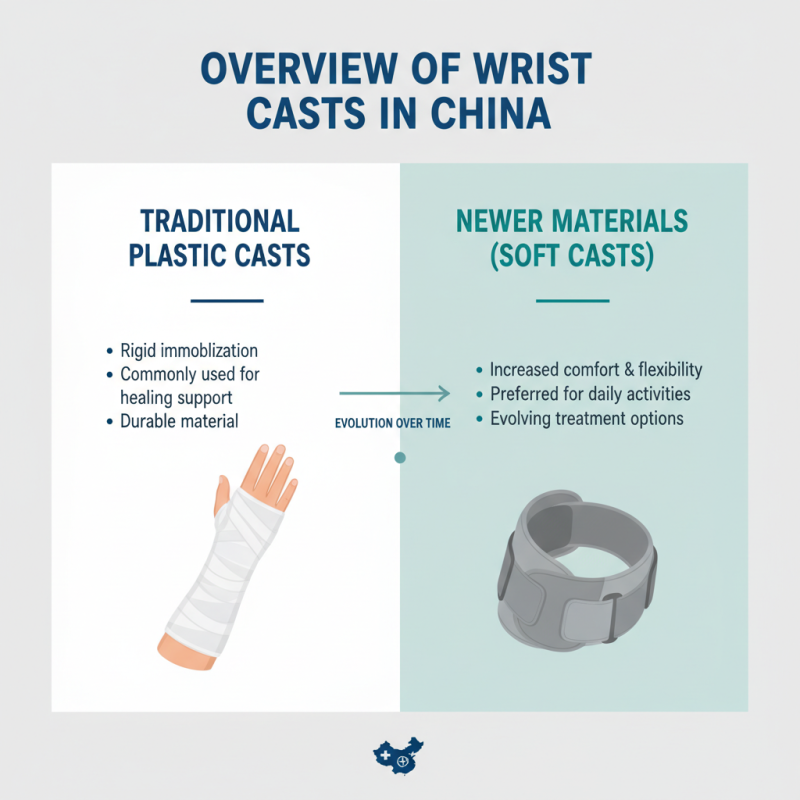
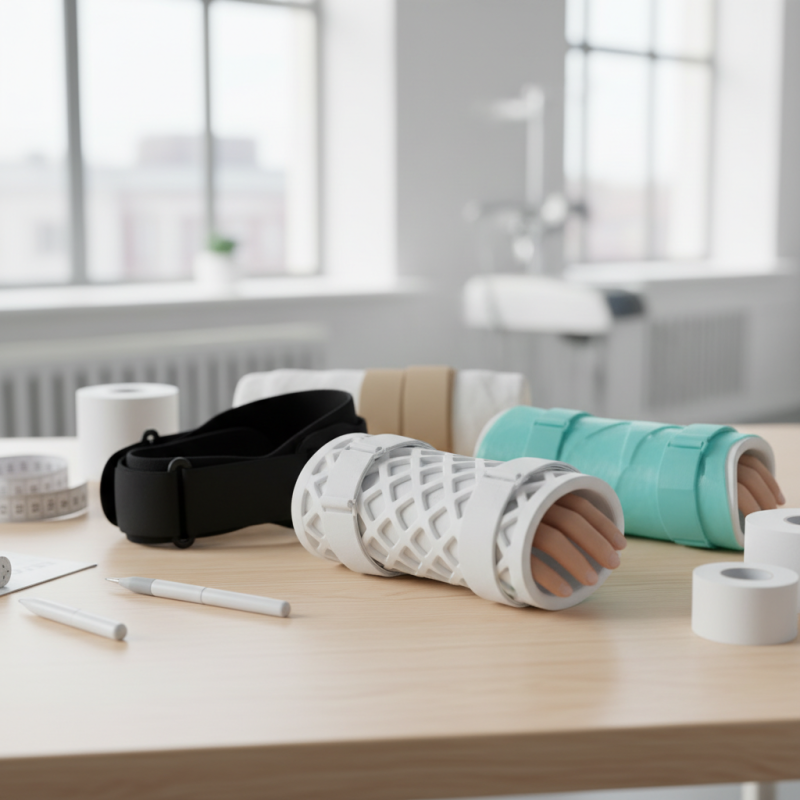
Wrist casts in China have evolved significantly over the years. Many people face wrist injuries, which require effective immobilization methods. The traditional plastic casts are commonly used to support healing, but newer materials have come into play. Some options, such as soft casts, offer more comfort and flexibility. Patients often prefer these for daily activities.
The design of these casts varies. They are typically lightweight and easy to apply. However, they have limitations. Some patients report discomfort or insufficient support with softer options. On the other hand, rigid casts can provide better stability. It’s essential to consider individual needs when selecting a wrist cast.
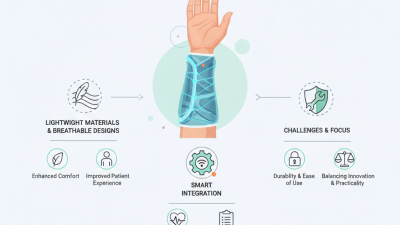
Unlike in the past, modern casts often feature breathable materials. This enhances comfort during long-term wear. Yet, the challenge remains: ensuring adequate immobilization while allowing for moisture control. In addition, experts note that regular follow-ups are crucial. Monitoring the healing process helps in adjusting the cast type when necessary. Ultimately, finding the right balance is key to effective recovery.
Common Types of Wrist Casts Offered in China
Wrist casts are essential for recovery after an injury in China. They provide support and immobilization during the healing process. Various types of casts are available, each tailored to different needs and conditions.
One common option is the plaster cast. It offers durability and excellent support. However, plaster can be heavy and less breathable. On the other hand, fiberglass casts are lighter and more water-resistant. They come in various colors, appealing to people of all ages.
When selecting a wrist cast, consider comfort and utility. Always communicate with your doctor about any discomfort you experience. It’s crucial to maintain hygiene, as trapped moisture can lead to skin issues.
Tips: Regularly check for any skin irritation under the cast. If swelling occurs, seek medical advice promptly. Adjusting your activities is vital; excessive movement can hinder healing. Choose a type of cast that best meets your lifestyle needs while prioritizing recovery.
Materials Used in Manufacturing Wrist Casts
Wrist casts are essential for immobilizing injuries and fractures. Various materials are used in their production, affecting comfort and durability. Traditional plaster casts are heavy and cumbersome, often causing skin irritation. However, they offer rigidity and protection for healing bones.
In recent years, synthetic materials like fiberglass have gained popularity. Fiberglass casts are lighter and more water-resistant. Reports indicate that they can reduce recovery time and improve patient comfort. A study showed that 70% of patients preferred fiberglass over plaster due to its flexibility and breathability.
Additionally, soft casts made from neoprene or foam are becoming common. These materials allow for movement while providing support. However, they may not offer the same level of immobilization as traditional casts. Healthcare professionals note that the choice of material can depend on the type and severity of the injury. Incorrect material selection can hinder proper healing.
Everything You Need to Know About China Top Wrist Cast Options - Materials Used in Manufacturing Wrist Casts
| Material Type |
Weight (grams) |
Durability (weeks) |
Water Resistance |
Ventilation |
| Fiberglass |
500 |
4-6 |
Yes |
Good |
| Plaster |
700 |
2-4 |
No |
Poor |
| Synthetic Fabric |
450 |
3-5 |
Yes |
Excellent |
| Plastic |
600 |
5-7 |
Yes |
Moderate |
| Carbon Fiber |
400 |
6-8 |
Yes |
Good |
Factors Influencing the Choice of Wrist Cast
When selecting a wrist cast, several factors come into play. The type of injury significantly influences the choice. According to a 2022 report by the American Academy of Orthopaedic Surgeons, wrist fractures constitute approximately 15% of all fractures. Understanding the specific type of fracture can determine whether a rigid cast or a more flexible splint is needed. Each injury is unique. Therefore, a one-size-fits-all approach may not be suitable.
Another critical aspect is the patient's age and lifestyle. Younger, more active individuals may require casts that allow some mobility, while older patients may benefit from stability. Data from the Journal of Hand Surgery highlights that compliance rates in wearing prescribed casts can drop to 60% in active populations. Comfort and usability are essential. Cast materials have evolved, with options ranging from traditional plaster to synthetic materials that offer lighter weight and breathability. The choice affects not only healing time but also the patient's quality of life during recovery.
Lastly, medical advice plays a pivotal role in selecting the right cast. While many resources offer guidance, patients should consult healthcare professionals familiar with their specific conditions. There's a growing need for personalized treatment plans. Perhaps there is a gap in understanding among patients regarding the importance of following medical advice. Patients often overlook potential risks associated with improper cast usage. This reflection might be vital for enhancing recovery outcomes.
Comparative Analysis of Different Wrist Cast Materials
Care and Maintenance for Wrist Casts in China
When using a wrist cast, care and maintenance are crucial for recovery. Studies indicate that improper care can lead to complications like skin irritation or infections. Keeping the cast dry is essential. Water can weaken the material and cause discomfort. A plastic cover can be beneficial when washing or bathing.
Regular inspections of the skin underneath the cast are vital. Any signs of redness or swelling should be reported to a healthcare professional immediately. The application of baby powder or cornstarch can help manage moisture and reduce skin friction. However, using powders excessively is not advisable, as it can lead to clumping and irritation.
Tip: Elevation is key. Keeping the wrist elevated can reduce swelling and pain. This simple adjustment can significantly improve comfort.
Remember, maintaining a clean environment is also important. A clean workspace minimizes the risk of infection. Additionally, consult with a healthcare provider for specific advice on caring for your cast. Each individual's situation may differ, and personalized care is crucial for recovery. Adjusting to life with a cast can be challenging, but careful maintenance can ease this process.