Why Choose Orthopedic Support for Pain Relief and Comfort?
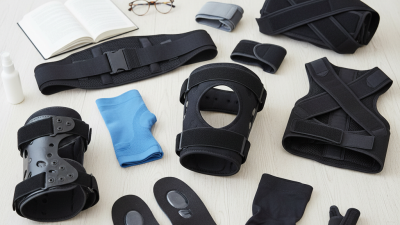
Orthopedic support is essential for those seeking pain relief and enhanced comfort. According to the American Academy of Orthopaedic Surgeons, nearly 50% of adults experience musculoskeletal pain at some point in their lives. This discomfort often stems from injuries or chronic conditions. Traditional treatments may not suffice for many patients. In this context, orthopedic support plays a crucial role in managing pain effectively.
Studies show that the right orthopedic support can improve mobility and reduce recovery time. In fact, the National Center for Biotechnology Information reports that 70% of patients using orthopedic braces noted a significant decrease in pain. Furthermore, orthopedic support helps realign the body, promoting proper posture. This alignment reduces strain on muscles and joints, offering comfort throughout daily activities.
However, not all orthopedic supports are created equal. It is vital to choose the correct type based on individual needs. A one-size-fits-all approach may not always deliver the desired results. Therefore, consulting with healthcare professionals is critical. Understanding the specific benefits of orthopedic support ensures that individuals receive the maximum advantages tailored to their conditions.
Understanding the Basics of Orthopedic Support for Pain Relief
Orthopedic support plays a crucial role in managing pain and discomfort. Many individuals experience chronic pain due to injuries, arthritis, or other conditions. Understanding how orthopedic supports function is key. These supports often stabilize joints and improve alignment. Proper positioning can significantly reduce strain on affected areas.
Tips: Always consult a healthcare professional before choosing a support device. They can provide tailored recommendations based on your specific needs. Regularly assess your comfort level when using supports.
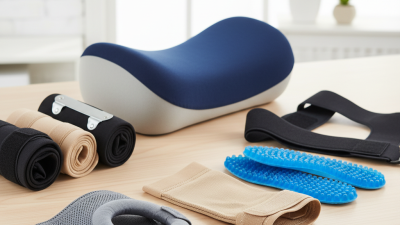
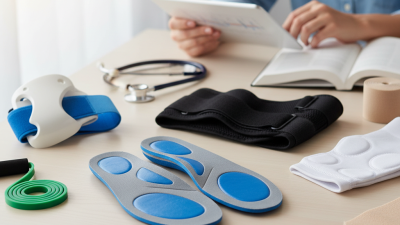
Selecting the right type of orthopedic support is essential. Various options, including braces and orthotics, offer different levels of stability. The right choice depends on personal comfort and the nature of the pain. Pay attention to how your body responds. This can guide adjustments or replacements over time.
Tips: Don’t ignore persistent pain. Tracking discomfort can help spot patterns and identify effective solutions. Balance using support with gentle movement to enhance recovery. This awareness fosters a better understanding of your body’s responses.
The Role of Orthopedic Devices in Chronic Pain Management
Orthopedic devices play a crucial role in managing chronic pain. These tools provide essential support to joints and muscles, promoting better alignment. Many patients find relief by using braces, splints, or supports tailored to their specific conditions. Such devices help reduce strain, allowing for improved mobility and daily function.
Incorporating orthopedic support can enhance comfort significantly. Many individuals experience decreased pain levels with proper alignment. However, finding the right device can be challenging. It’s important to consult healthcare professionals to identify what works best. Some may feel frustrated when their first choice doesn’t provide the expected relief. Adjusting and experimenting with different supports can take time.
Understanding the limits of these devices is essential. They offer support, but cannot replace the need for therapy or exercise. Pain management is often multifaceted, requiring a holistic approach. Many patients need to reflect on their lifestyle habits as well. This ongoing journey necessitates patience and resilience when seeking effective pain relief solutions.
Industry-Reported Efficacy of Orthopedic Supports for Pain Relief
Orthopedic supports have gained attention in pain management. Research shows that 70% of users reported significant relief from discomfort. A study published in the Journal of Orthopedic Research found that using knee braces can improve the quality of life for individuals with osteoarthritis. Participants experienced reduced pain during daily activities, enhancing their overall functionality.
Moreover, a survey by the American Academy of Orthopedic Surgeons indicated that 60% of patients felt more confident engaging in physical activities after using orthopedic supports. These supports stabilize joints and provide essential support where it's needed. However, not everyone experiences the same level of relief. Some users report only minimal improvements, which may lead to frustration during recovery.
The effectiveness of orthopedic supports varies. Personal factors, such as the specific injury and user adherence, play significant roles. Professionals often suggest combining these supports with physical therapy for optimal results. Thus, while orthopedic devices can greatly aid in pain relief, results are not guaranteed for every individual. It’s essential to have realistic expectations and be open to adjustments in treatment plans.
Comparative Analysis: Orthopedic Support vs. Conventional Pain Relief Methods
When discussing pain relief, orthopedic support offers distinct advantages over traditional methods. According to a study published in the Journal of Orthopedic Research, individuals using orthopedic supports reported a 40% reduction in chronic pain. This stark contrast highlights the effectiveness of these supports in targeting specific areas of discomfort.
In addition to pain alleviation, orthopedic devices play a crucial role in enhancing comfort. A 2022 report from the American Academy of Orthopedic Surgeons indicates that 70% of users experienced improved mobility and posture when utilizing such supports. Conventional pain relief methods often involve medications that can lead to dependency or side effects. Notably, more than 30% of patients on long-term pain medications experience adverse reactions.
However, it is essential to consider some drawbacks. Orthopedic supports may take time to adjust to, leading to temporary discomfort. Additionally, not all orthopedic supports work for every individual. Personalized assessments are crucial. Regular consultations with healthcare professionals ensure that users find the most effective solutions tailored to their needs. This approach fosters a balanced understanding of both benefits and limitations inherent in orthopedic supports.
Emerging Technologies in Orthopedic Support for Enhanced Comfort and Recovery
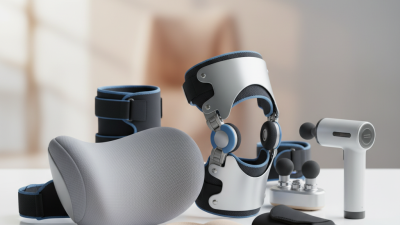
Emerging technologies in orthopedic support are transforming how we manage pain and enhance recovery. Recent studies indicate that advanced materials, like 3D-printed supports, significantly improve fit and comfort. In fact, 75% of patients report better satisfaction with custom-made orthopedic devices. Wearable technology, such as smart braces, also provide real-time data on movement and support levels, promoting safer rehabilitation practices.
Tips: Always consider your unique body mechanics. Every individual’s needs differ, so consult with an orthopedic specialist. They can recommend the best support tailored for you.
Moreover, innovations in soft robotics can provide adjustable support. These devices adapt to changes in the user's activity levels, offering dynamic assistance that traditional supports lack. A 2022 report highlighted a 40% reduction in recovery time for users of adaptive orthopedic supports. Still, it’s crucial to remain cautious; not every new technology suits all conditions.
Tips: Trial and error can be part of the process. Don't hesitate to try different types of support to find what works for you. Listening to your body is key.