How to Choose a PEMF Foot Machine in 2026?
Choosing a Pemf Foot Machine in 2026 requires more than comparing prices and attractive wellness claims. The right device should match your comfort, goals, home space, and medical circumstances. Look closely at waveform options, adjustable intensity, session timers, foot-plate size, and documented output measurements. A compact unit may fit beside your sofa, while a larger platform can feel steadier under both feet.
Dr. William J. Pawluk, a physician and recognized PEMF educator, states, “PEMF is not a magic bullet.” That reminder matters. Research quality differs between devices, and marketing language can sound more certain than the evidence. Prefer manufacturers that explain their testing methods, publish clear technical specifications, and provide realistic guidance. Independent certifications, transparent warranty terms, and responsive customer support also deserve attention. A polished website is not proof.
Comfort matters too. Check whether the surface feels stable, whether controls are readable, and whether cables reach a nearby outlet without stretching. Ask a qualified healthcare professional before use if you have implanted electronic devices, circulation concerns, pregnancy, or other relevant conditions. This guide will compare practical features, safety considerations, evidence quality, and long-term value. It will not treat every product as equally effective. Some recommendations may remain uncertain. That is worth admitting. A thoughtful purchase leaves room for questions, careful use, and reassessment after several weeks.
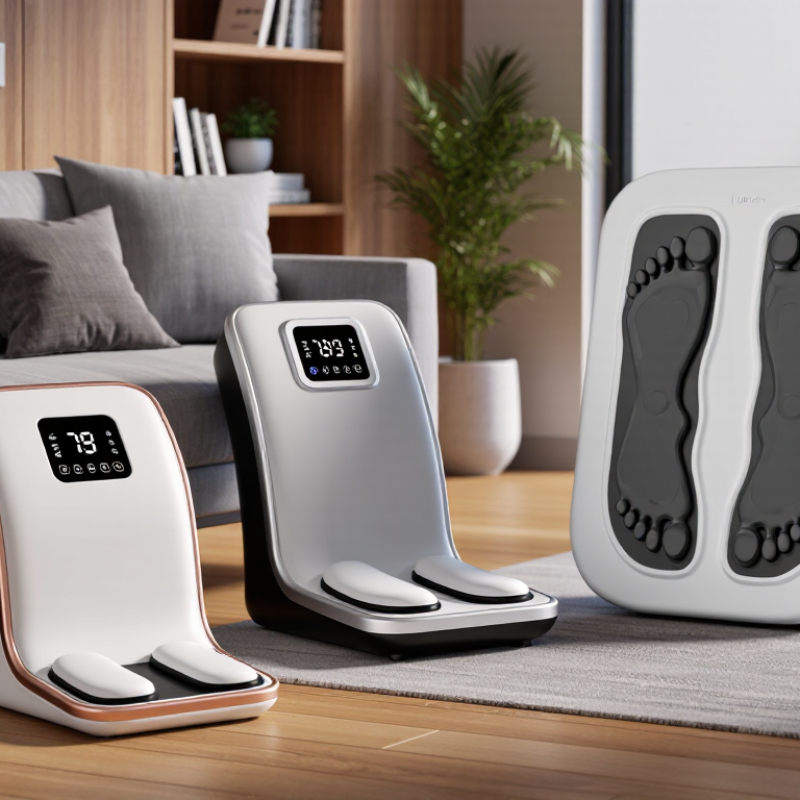
What Is a PEMF Foot Machine and How Does It Work?
A PEMF foot machine uses coils beneath the feet to create pulsed electromagnetic fields. These changing fields may induce very small electrical currents in nearby tissues, following Faraday’s law of electromagnetic induction. The sensation is usually mild or absent. A session may feel like sitting with warm socks, not receiving an electrical shock. Frequency, magnetic flux density, waveform, and session length shape the output, so “stronger” does not automatically mean better.
Market estimates show growing interest. Grand View Research reported that the global PEMF devices market was valued at about USD 1 billion in 2023, with continued growth expected through 2030. Such figures describe sales, not clinical effectiveness. That distinction matters. Evidence is more established for specific medical applications, while broad claims about energy, detoxification, or general wellness remain uneven. I would treat impressive testimonials carefully.
When choosing a foot machine in 2026, inspect its published field strength, frequency range, coil placement, timer, and electrical safety information. A useful manual should explain testing methods, not only list technical numbers. Check whether the intended use matches available clinical evidence. People with implanted electronic devices, pregnancy concerns, or ongoing treatment should ask a qualified clinician first. Even experts can misread poorly reported specifications. A simple trial log helps: record session time, comfort, skin changes, and any unwanted symptoms. Stop if the experience feels abnormal.
Which Health Goals and Foot Conditions Should Guide Your Choice?
How to Choose a PEMF Foot Machine in 2026?
Which Health Goals and Foot Conditions Should Guide Your Choice?
Choosing a PEMF foot machine should begin with your health goal, not its appearance. For occasional foot fatigue, a simple, low-intensity design may be enough. Look for adjustable sessions, clear instructions, and comfortable foot placement. Your feet should rest naturally, without pressure on tender areas.
Plantar discomfort, stiffness, or reduced mobility may require different considerations. A flat platform can suit sensitive soles, while a larger surface may help users with swelling or limited movement. PEMF is not a proven cure for every foot condition. Evidence remains mixed for several claims, so avoid products promising instant healing. That matters.
People with diabetes, neuropathy, poor circulation, open wounds, or unexplained swelling should seek medical advice first. Reduced sensation can make heat, pressure, or discomfort harder to notice. Ask a qualified clinician whether PEMF is appropriate alongside your current care. Do not use it to delay an evaluation for severe pain, color changes, or sudden swelling.
Check the device’s frequency, intensity range, session timer, and safety information. Reliable manufacturers should explain testing methods and provide readable technical data. Vague terms such as detox
or guaranteed circulation
deserve caution. I would also consider return policies, because comfort is difficult to judge from specifications alone. A machine can look impressive and still feel unsuitable after ten minutes.
How to Evaluate Quality, Price, Warranty, and User Support
How to Choose a PEMF Foot Machine in 2026?
Quality should be judged beyond appearance. Check the device’s frequency range, intensity controls, applicator size, and operating instructions. A stable control panel matters when your feet are tired or your vision is limited. Look for clear electrical safety information and compliance with regulations in your country. Avoid vague claims about pain relief or disease treatment. PEMF research remains mixed for several uses, so realistic wording signals a more trustworthy seller. The best machine is not always the strongest one.
Price needs a wider view. Compare the purchase cost, delivery fees, replacement parts, and electricity use. A low price can become expensive if the cable fails quickly. Warranty terms deserve careful reading. Check its length, covered components, repair process, and return conditions. Ask whether shipping for repairs is included. Get the answer in writing. Small details matter.
User support often reveals the company’s reliability. Test the support channel before buying with two specific questions. Notice the response time and the quality of the explanation. A useful manual should show setup, cleaning, session limits, and basic troubleshooting. Some instructions may still feel confusing. That is a warning, not a minor inconvenience. Keep your receipt and record the machine’s serial information. If you have an implanted electronic device, a serious medical condition, or uncertainty about use, ask a qualified healthcare professional before starting.