
How to Choose Clear Self Ligating Braces?

Choosing Clear Self Ligating Braces involves more than selecting the most attractive bracket. The decision should begin with diagnosis, not advertising. An orthodontist must examine your bite, tooth movement needs, enamel condition, gum health, and treatment goals. Digital scans and photographs can reveal details that a mirror cannot.

Orthodontist Dr. Ravindra Nanda has emphasized a valuable clinical principle: “No appliance can replace diagnosis.” That idea matters here. Clear Self Ligating Braces may offer a discreet appearance and a smooth ceramic surface, but they are not automatically suitable for every patient. Their clips, bracket size, and material can affect cleaning, comfort, durability, and treatment control. Small differences matter.

Ask how the brackets will perform around crowded teeth, deep bites, or difficult rotations. Ask about staining, breakage, replacement fees, and emergency visits. Also, ask whether the proposed system matches the orthodontist’s experience. A beautiful bracket cannot correct poor planning.

The choice is rarely perfect. Some patients may value appearance more than maximum durability. Others may prefer easier maintenance over nearly invisible treatment. This guide examines those trade-offs clearly, using clinical considerations rather than impressive promises. It also encourages a second opinion when recommendations feel rushed or unclear. Your smile is personal. The appliance should be selected for your biology, expectations, and long-term stability.
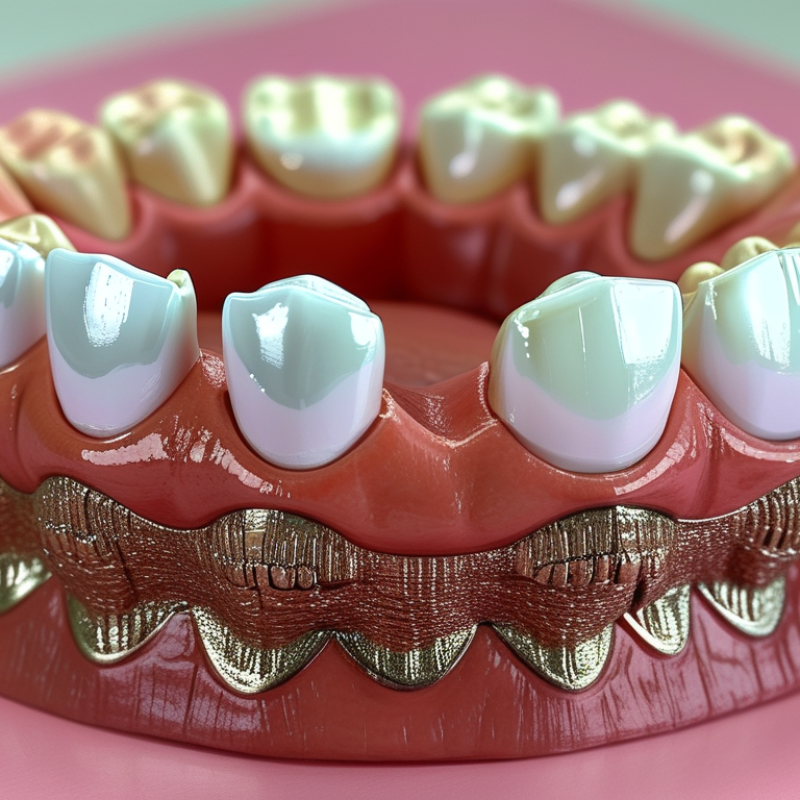
How to Choose Clear Self Ligating Braces?

What Clear Self-Ligating Braces Are and How They Work

Clear self-ligating braces use tooth-colored brackets with a built-in sliding clip. The clip holds the archwire without separate elastic ties. As the wire changes shape, it delivers gentle, controlled pressure to guide each tooth. Ceramic brackets can look discreet, but they are not invisible. Their appearance depends on lighting, tooth color, and staining around the brackets.

Clinical evidence deserves careful attention. A Cochrane Database review found no consistent, clinically important advantage in total treatment time for self-ligating systems. Reviews published in orthodontic journals also report limited evidence for fewer visits, less pain, or faster alignment. These findings do not make the appliance ineffective. They show that the orthodontist’s planning, wire sequence, and patient cooperation often matter more. In my experience, a smooth clip cannot compensate for missed appointments or poor brushing. That is an uncomfortable point.

Tips: Ask whether ceramic brackets suit your bite, crowding, and enamel condition. Request a written estimate of treatment time and replacement costs. Check how the practice manages broken clips and difficult cleaning areas. Use an interdental brush around each bracket, especially after sticky meals. Fit matters more. A 2023 survey from the American Association of Orthodontists reported that millions of people receive orthodontic care annually in the United States, but treatment outcomes still vary widely by case complexity and compliance. Choose the system after a clinical examination, not from appearance alone.

How to Choose Clear Self-Ligating Braces? — What Clear Self-Ligating Braces Are and How They Work
Evaluation Dimension What to Know Practical Selection Guidance
Basic Definition Fixed braces with clear or tooth-colored brackets Clear self-ligating braces are bonded to the teeth and use a built-in clip or sliding door to hold the archwire. Unlike conventional braces, they generally do not require elastic ligatures around each bracket.
How the Mechanism Works A bracket door secures the archwire The orthodontist opens the bracket door to place or remove the archwire. The wire then applies controlled forces that guide tooth movement over time. The clip does not move teeth by itself; the orthodontic wire and treatment plan provide the active force.
Material Options Ceramic, polycrystalline, or other tooth-colored bracket materials Ask which material is used, how it resists staining and fracture, and whether the bracket has a smooth, polished surface. Ceramic components are less visually noticeable than metal but may be more brittle and can require careful handling.
Appearance Less noticeable than fully metal braces The bracket body is designed to blend with the tooth, while the archwire and small metal components may still be visible. Clear elastomeric ties are usually not needed, which may help maintain a cleaner appearance during appointments.
Treatment Suitability Depends on the individual malocclusion These braces may be considered for many common alignment and bite problems, but suitability depends on tooth position, jaw relationship, periodontal health, root position, age, and the orthodontist’s treatment approach. A clinical examination is required.
Expected Treatment Time Not automatically shorter than conventional braces Treatment duration varies with the complexity of tooth movement, growth status, cooperation, appointment attendance, and biological response. The self-ligating design alone should not be treated as a guarantee of faster treatment.
Appointment Experience Wire changes may be straightforward The built-in door can make archwire placement and removal convenient. Appointment frequency and duration still depend on the treatment stage, required adjustments, and the orthodontist’s protocol.
Comfort Initial soreness is common Pressure, tenderness, or cheek and lip irritation may occur after placement or adjustment. A self-ligating clip does not eliminate discomfort, and comfort can vary according to the wire, tooth movement, bracket shape, and individual sensitivity.
Oral Hygiene Cleaning remains essential The absence of elastic ligatures may reduce one area where plaque can collect, but brackets and wires still create additional cleaning challenges. Use a fluoride toothpaste and carefully clean around brackets, along the gumline, and beneath the archwire.
Staining Considerations Bracket material and diet both matter Ceramic brackets themselves are generally designed to remain tooth-colored, but surrounding adhesive or any clear auxiliary components may discolor. Frequent exposure to strongly pigmented foods and drinks can increase visible staining around the appliance.
Durability Clear materials may be more fracture-sensitive than metal The risk of damage depends on bracket material, bite forces, habits, and appliance placement. Avoid biting hard foods, chewing ice, or using teeth to open packages, and contact the orthodontic office if a bracket door or bracket becomes loose.
Cost Factors Fees vary by case and provider Total cost may reflect case complexity, treatment length, bracket system, imaging, adjustments, retainers, and local professional fees. Request a written estimate that clearly states what is included and what may incur an additional charge.
Professional Assessment Diagnosis should come before appliance selection A qualified orthodontist should review photographs, dental records, radiographs when appropriate, bite relationships, gum health, and any existing dental problems before recommending a fixed appliance.
Questions to Ask Compare the plan, not only the bracket Ask about treatment goals, estimated duration, alternative appliances, expected risks, hygiene instructions, emergency support, retainer requirements, total fees, and the clinician’s experience treating cases similar to yours.
Retention After Treatment Retainers are usually needed Teeth can shift after active orthodontic treatment. The orthodontist will recommend a retention plan, which may include removable or fixed retainers. Long-term retainer use is commonly needed to help maintain alignment.
Important: Clear self-ligating braces are a treatment option, not a universal solution. The safest choice should be based on a personalized orthodontic evaluation, oral-health assessment, treatment objectives, expected risks, and the patient’s ability to maintain good hygiene and attend follow-up visits.

Key Factors to Consider Before Choosing Clear Braces

Choosing clear self-ligating braces requires more than comparing photographs. Ask how the brackets look after several months, not only on fitting day. Clear ceramic materials can resist staining, but elastic ties, food pigments, and plaque may change their appearance. Your orthodontist should examine your bite, enamel condition, gum health, jaw alignment, and X-rays before recommending treatment.

The self-ligating clip may simplify wire changes, but it does not guarantee faster treatment. A systematic review of six randomized clinical trials found no clinically important reduction in treatment time compared with conventional brackets (Fleming and Johal, Angle Orthodontist, 2010). Later reviews reached similar conclusions.

Evidence is useful, but not perfect. Individual growth patterns and appointment consistency often matter more.

Check the bracket’s edge near your lips. It should feel smooth. Ask about breakage, repair fees, brushing around the clip, and expected treatment length. The American Association of Orthodontists emphasizes personalized diagnosis and supervised care, rather than appliance choice alone. A practical consultation should show you cleaning tools and explain what happens if a bracket loosens. Clear braces may suit appearance-conscious patients, but they are not automatically the best option for every bite. Metallic components can still appear in some designs. That detail is easy to miss.

How to Compare Materials, Designs, and Treatment Features

Choosing clear self-ligating braces starts with material, not appearance alone. Most use ceramic or polycrystalline brackets with a built-in clip. Ceramic can blend with tooth color, but it may chip under heavy biting forces. Some clear materials also show discoloration from coffee, tea, or smoking. The bracket is not truly invisible. That distinction matters.

Compare design details with an orthodontist. Check the clip’s shape, slot accuracy, bracket thickness, and edge smoothness. A low-profile design may feel less bulky against the lips. A secure clip should open consistently during adjustments. However, self-ligating does not automatically mean faster treatment or fewer visits. Results depend on diagnosis, tooth movement, and clinical technique. I would ask how the system handles rotations, space closure, and difficult bite corrections. Small design differences can affect comfort and control.

Treatment features deserve equal attention. Ask whether digital scans, regular progress reviews, and clear cleaning instructions are included. Bracket placement must match your tooth anatomy and treatment plan. Good hygiene remains essential because plaque can collect around clips and edges. No system is perfect. A bracket that looks attractive may be less suitable for heavy bite pressure. Cost also needs careful comparison, since extra appointments or repairs may change the final expense. A qualified orthodontist should explain the evidence, limitations, and likely maintenance before treatment begins.

How to Evaluate Orthodontists and Treatment Plans

Choosing clear self-ligating braces should begin with evaluating the orthodontist, not the appliance. Look for a licensed orthodontic specialist with relevant training and documented experience. A polished website is not enough. Ask how often they manage crowded teeth, bite problems, and adult treatment. Request before-and-after cases similar to yours. Confirm that the photographs show real patients, not selected examples.

A reliable consultation includes photographs, X-rays, digital scans, and a clinical examination. The orthodontist should explain your diagnosis in plain language. Ask why clear self-ligating braces suit your teeth. Also ask about conventional braces, aligners, or no treatment. A strong plan explains estimated treatment time, appointment frequency, discomfort, cleaning demands, and retention after removal. Costs should include repairs, retainers, and possible refinements. Hidden details matter.

Listen for balanced advice. No brace system guarantees faster results for every patient. The final outcome depends on bone, bite, hygiene, and cooperation. I would ask what happens if teeth move slower than expected. I would also request the major risks, including root changes, gum problems, and relapse. A second opinion is sensible when the plan feels rushed. Even careful plans can change. That is not automatically poor care. However, unexplained changes deserve clear records and honest discussion. Bring your questions in writing. Notice whether the orthodontist answers patiently. Small details often reveal professional reliability.

How to Assess Costs, Maintenance, Comfort, and Expected Results

How to Choose Clear Self Ligating Braces?

How to Assess Costs, Maintenance, Comfort, and Expected Results

Cost should include more than the initial fitting fee. Ask whether scans, adjustments, broken brackets, retainers, and follow-up visits are included. Payment plans can reduce monthly pressure, but the total price still matters. Treatment length may change because teeth respond differently. A very low quote deserves careful questions.

Clear brackets require consistent cleaning. Food can collect around the clips and wires, especially after lunch. Use a soft brush, fluoride toothpaste, and small interdental brushes. Your orthodontist may recommend specific cleaning methods after examining your teeth. Missed appointments or damaged parts can extend treatment and increase expenses. I have seen patients underestimate this inconvenience.

Comfort varies during the first few days and after adjustments. Mild pressure is common, but sharp wire irritation should be reported. Clear self-ligating systems may simplify wire changes, yet current evidence does not guarantee faster treatment for everyone. Expected results depend on bone structure, bite complexity, growth, and daily cooperation. Ask to review photographs, X-rays, and a written treatment plan before deciding. Digital previews can be helpful, but they are not promises. Your teeth may move differently than the simulation suggests. A careful orthodontist should explain alternatives, limitations, and retention needs without pressuring you. Retainers are essential because teeth can shift after treatment, sometimes gradually and unnoticed. Comfort is important. Long-term stability matters more.

How to Choose Clear Self-Ligating Braces?

Assess the total cost together with maintenance needs, comfort expectations, and the complexity of the planned tooth movement.

How to interpret the chart

  • Typical total cost: In the United States, comprehensive orthodontic treatment commonly falls within approximately $4,000–$8,000, while mild cases may cost less and complex cases may exceed this range. Fees vary by location, treatment length, diagnostics, retainers, and insurance coverage.
  • Maintenance: Follow-up visits are commonly scheduled about every 6–10 weeks. Good brushing, interdental cleaning, and avoiding hard or sticky foods are important for clear brackets.
  • Comfort: Temporary pressure and soreness are normal after placement and adjustments. Current clinical evidence does not consistently show a meaningful comfort advantage over conventional fixed braces.
  • Expected results: Results depend mainly on diagnosis, treatment planning, biological response, oral hygiene, and wearing retainers as directed. Clear self-ligating brackets do not guarantee faster treatment or better final alignment.

These are general planning benchmarks, not a treatment quote or clinical prediction. A licensed orthodontist should confirm the treatment plan and total fee.

In observance of the 4th of July holiday, our offices will be closed on July 3rd & 4th.