
Top Compression Ankle Wrap Manufacturers Worldwide

The global demand for Compression Ankle Wrap products is growing with sports participation, aging populations, and wider awareness of non-invasive support. Grand View Research’s compression garments market analysis identifies rising demand for therapeutic and athletic compression wear. Fortune Business Insights reports similar momentum across medical compression products, supported by venous-care needs and post-injury recovery. However, ankle wraps are often grouped with socks, sleeves, and broader compression garments. The category is not perfectly defined.

That uncertainty matters when comparing manufacturers worldwide. A quality wrap should provide stable compression, breathable fabric, accurate sizing, and secure fastening. It should also remain comfortable during walking, rehabilitation, or several hours of daily use. Small details matter. A rough seam can irritate swollen skin. Weak hook-and-loop fasteners may loosen during movement. Product claims must remain separate from medical advice.

Professor Hugo Partsch, a leading authority in compression therapy, emphasized that “compression is the oldest and most effective treatment for venous disease.” His work helps explain why pressure consistency remains central to product evaluation. Yet effectiveness depends on fit, pressure level, material, and the user’s condition. No single design suits everyone.

This guide examines leading Compression Ankle Wrap manufacturers through product engineering, testing practices, certifications, customization capacity, and supply reliability. It also considers practical experience, not only impressive brochures. Market rankings can change. Factory scale does not always equal better clinical performance. Some comparisons remain incomplete because manufacturers disclose limited testing data. Readers should verify current specifications and consult qualified healthcare professionals before selecting therapeutic compression products.
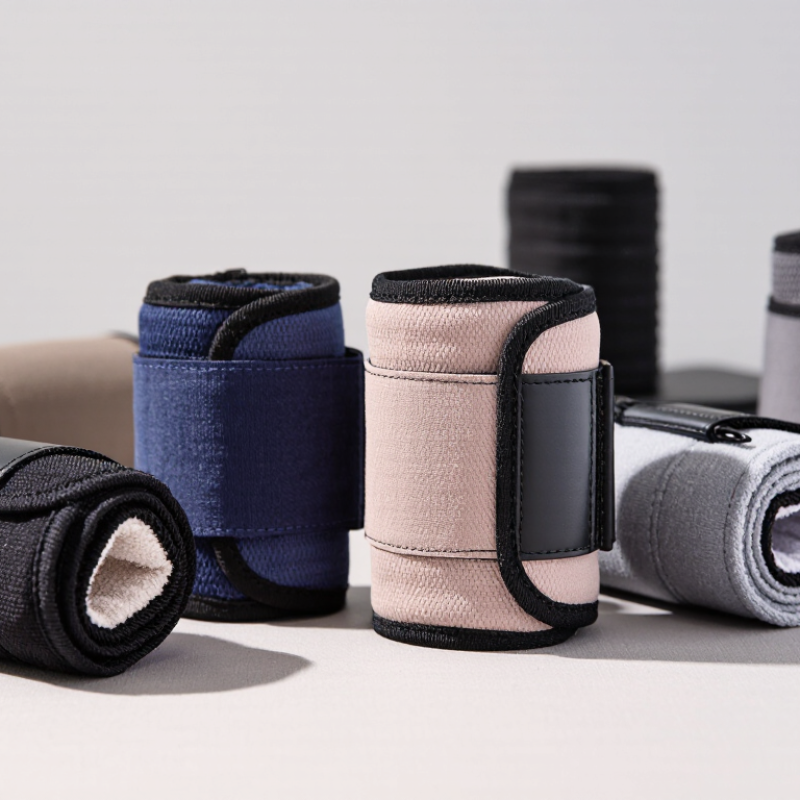
Top Compression Ankle Wrap Manufacturers Worldwide

Compression Ankle Wraps: Purpose, Design, and Key Features

Compression ankle wraps are designed to apply gentle, controlled pressure around the ankle and lower foot. This pressure may support circulation, reduce mild swelling, and improve comfort during daily movement. Athletes often use them after training, while travelers may prefer them during long periods of sitting.

They are not a cure for serious injury. Persistent pain, numbness, or unusual swelling requires professional medical advice.

A well-designed wrap usually combines elastic fibers with breathable fabric. The material should stretch smoothly without cutting into the skin. A secure fastening system helps users adjust pressure around different ankle shapes. Some designs include targeted support near the joint, while others provide lighter coverage for recovery and routine wear. Smooth seams matter. Rough edges can cause friction inside a shoe.

In manufacturing evaluations, I look for consistent compression, durable stitching, and clear care instructions. The wrap should stay in place during walking, yet remain easy to remove. That balance is difficult. Tighter does not always mean better. A wrap that feels comfortable for ten minutes may become irritating after several hours. Fit, activity level, skin sensitivity, and swelling patterns should guide selection. Even experienced users can choose poorly when appearance influences judgment. Practical testing remains essential.


How to Evaluate Global Compression Ankle Wrap Manufacturers

Evaluating global compression ankle wrap manufacturers requires more than comparing catalog photos and unit prices. In practical sourcing work, I inspect the product’s pressure profile, stitching, fasteners, and fabric recovery after repeated use. A wrap that feels firm for five minutes may loosen by evening. That difference matters. Ask for material specifications, size tolerances, compression test methods, and sample records. Manufacturers should explain where testing occurs and who reviews the results. Vague answers deserve caution.

Professional credibility grows from traceable evidence. Check whether the factory maintains documented quality controls, batch identification, worker training, and complaint handling. Request recent test reports, but verify the laboratory and test scope. A certificate alone proves little. It may cover the factory, not the ankle wrap. Also examine labeling, care instructions, and packaging for the destination market. Requirements vary widely, so capable suppliers identify applicable rules instead of promising universal compliance.

Arrange independent sample checks before placing a large order. Measure circumference, compression consistency, seam comfort, and skin contact after washing. I would also test several sizes, because one successful sample can hide grading errors. Some evaluations fail here. Ask how defects are corrected, how replacements are tracked, and how production changes are approved. Factory visits, video audits, and direct conversations with technicians can reveal workflow gaps that polished sales documents miss. Price still matters. Unstable quality creates higher clinical and logistical costs.

Leading Manufacturing Regions and Industry Specializations

Top Compression Ankle Wrap Manufacturers Worldwide

Manufacturing regions often reveal a supplier’s strongest technical skills. China and Vietnam support high-volume production, flexible materials, and competitive custom development. Taiwan is known for precise knitting, stable sizing, and advanced textile controls. European manufacturers often focus on clinical-grade compression, ergonomic design, and documented quality systems. North American facilities commonly serve rehabilitation, sports medicine, and shorter regional supply chains.

Each region has different specializations. Some factories produce seamless elastic wraps with graduated pressure zones. Others focus on neoprene supports, adjustable straps, or lightweight recovery sleeves. Skilled teams test stretch recovery, seam strength, skin comfort, and compression consistency. Practical testing may include repeated washing and movement trials. A wrap that feels firm on day one may loosen after several uses. That detail matters.

Reliable sourcing requires more than attractive samples. Buyers should review material traceability, batch records, dimensional checks, and pressure-test reports. Experienced manufacturers can explain how yarn tension, panel shape, and stitching affect ankle support. However, no region performs every process equally well. This is easy to overlook. Some suppliers still depend on manual inspection, which can create uneven fit between batches. Regular audits, clear specifications, and independent testing reduce that risk. Supplier evaluation should also consider packaging accuracy, production communication, and responsiveness when defects appear.

Top Compression Ankle Wrap Manufacturers Worldwide - Leading Manufacturing Regions and Industry Specializations
Manufacturing Region Common Manufacturing Strengths Typical Compression Ankle Wrap Formats Material and Construction Expertise Typical Compliance and Market Focus Industry Specialization
China and East Asia High-volume production, broad supplier networks, flexible private-label programs, and integrated textile and molding supply chains. Elastic ankle sleeves, open-heel supports, lace-up wraps, adjustable compression braces, and sport-oriented models. Nylon-spandex knitted fabrics, polyester blends, hook-and-loop closures, breathable spacer materials, silicone grip elements, and molded support components. Strong presence in global export markets; products are commonly developed for buyer-specific labeling, packaging, and market requirements. Mass-market sports supports, e-commerce products, OEM/ODM programs, and cost-efficient multi-size ranges.
Japan and South Korea Precision knitting, compact product design, consistent finishing quality, and strong development of functional textile products. Low-profile compression sleeves, targeted-support wraps, sports recovery supports, and lightweight daily-use designs. Fine-gauge circular knitting, graduated stretch zones, moisture-management yarns, seamless construction, and soft skin-contact fabrics. Emphasis on product performance, comfort, textile quality, and consumer safety for Asian and international markets. Premium comfort supports, sports recovery, lifestyle compression, and technically engineered knit products.
Germany, Italy, France, and Central Europe Medical-textile engineering, dimensional accuracy, structured quality systems, and specialist production for therapeutic support products. Medical compression ankle garments, post-injury supports, stabilization wraps, and anatomically shaped compression products. Graduated-compression knitting, anatomical paneling, flat seams, elasticated zones, skin-friendly fibers, and advanced finishing processes. Frequently aligned with European medical-device, textile-safety, quality-management, and traceability expectations, depending on product classification. Medical compression, rehabilitation, orthopedic support, circulation management, and pharmacy-channel products.
United Kingdom and Ireland Specialist medical hosiery production, clinical product development, technical fitting, and established healthcare distribution channels. Compression ankle sleeves, therapeutic support garments, recovery wraps, and products designed for clinical fitting. Medical-grade elastic yarns, graduated-compression structures, reinforced heel and toe areas, and soft, durable knitting constructions. Strong focus on healthcare procurement, clinical use, product documentation, and applicable UK and European conformity requirements. Clinical compression, rehabilitation, edema-management support, and professional healthcare applications.
United States and Canada Product development, sports medicine innovation, specialized orthopedic manufacturing, and strong demand for customized support solutions. Adjustable ankle braces, compression sleeves, lace-up supports, stabilizing wraps, and athletic recovery products. Performance knits, neoprene and technical laminates, breathable mesh, thermoplastic components, and hook-and-loop adjustment systems. Products are commonly developed for sports medicine, rehabilitation, retail, and healthcare channels, with regulatory obligations varying by intended use. Athletic injury prevention, post-injury stabilization, orthopedic support, and direct-to-consumer recovery products.
Turkey and Eastern Europe Competitive textile manufacturing, regional supply advantages, short-to-medium production runs, and growing medical-textile capability. Knitted compression sleeves, elastic ankle supports, adjustable wraps, and private-label rehabilitation products. Cotton-blend and synthetic knits, elastic webbing, breathable fabrics, reinforced stitching, and basic molded or laminated support parts. Strong regional access to European markets, with compliance and documentation dependent on product type and destination country. Textile-based supports, regional healthcare supply, sports goods, and flexible private-label manufacturing.
India and South Asia Large textile workforce, elastic-product manufacturing, cost-effective labor, and expanding production for domestic and export markets. Basic compression sleeves, elastic ankle wraps, cotton-rich supports, sports bandages, and value-oriented adjustable products. Cotton and synthetic blends, elastic knitted fabrics, woven elastic bands, hook-and-loop closures, and straightforward stitched constructions. Well suited to value-focused healthcare, sports, pharmacy, and institutional markets; export requirements vary by destination. High-volume basic supports, economical product lines, medical consumables, and private-label textile accessories.
Southeast Asia Growing footwear, sportswear, and medical-textile ecosystems, competitive labor costs, and increasing capability in export-oriented assembly. Compression sleeves, breathable sport wraps, adjustable supports, and lightweight products for tropical climates. Polyester-spandex knits, mesh panels, elastic straps, laminated foam, antimicrobial-treated fabrics, and heat-sealed or stitched components. Frequently oriented toward international retail and sporting-goods supply chains; product claims and conformity depend on the target market. Sports supports, climate-conscious comfort products, export OEM manufacturing, and mid-volume programs.
Note: Regional descriptions summarize commonly observed manufacturing capabilities and product specializations. Actual capabilities, certifications, compression levels, and regulatory status should be verified for each production facility and product specification.

Materials, Production Standards, and Product Quality

Top Compression Ankle Wrap Manufacturers Worldwide

Material selection directly affects comfort, pressure stability, and service life. Many reliable manufacturers use nylon and elastane blends for controlled stretch. Some add polyester for faster drying and improved shape retention. Latex-free designs can reduce irritation risks for sensitive users. The fabric should feel firm, not harsh, against the skin.

Production quality begins with traceable materials and repeatable knitting settings. Manufacturers should document fiber content, supplier batches, machine adjustments, and inspection results. Pressure performance needs testing at several points, not only at the ankle opening. Depending on the product category, facilities may follow quality systems such as ISO 13485 or ISO 9001. These systems support controlled records, corrective actions, and process checks. They do not automatically guarantee a perfect product.

Small details matter. Seams should lie flat and resist twisting after repeated washing. Edges need secure stitching without cutting into the skin. A quality team may check dimensions, elasticity, colorfastness, and packaging accuracy from each production batch. Independent laboratory testing adds useful evidence, especially for compression consistency. Yet test results can mislead when the sample size is too small. Fit also changes with swelling, movement, and washing habits. A wrap that performs well in a factory may feel different during an eight-hour shift. Manufacturers should review complaints honestly, even when the defect rate appears low. Minor variation is common, but unexplained variation deserves investigation.

Choosing a Reliable Compression Ankle Wrap Supplier

Top Compression Ankle Wrap Manufacturers Worldwide

Choosing a reliable compression ankle wrap supplier requires more than comparing prices. Start with material details, compression levels, stitching quality, and skin-contact safety. Ask for evidence. A dependable supplier should provide test reports, batch records, and clear product specifications. These documents help verify consistency across repeated orders.

Request samples in several sizes. Check whether the wrap stays secure during walking, climbing stairs, and extended sitting. Examine the hook-and-loop closure, edge finishing, and fabric recovery after washing. The compression should feel supportive, not painfully tight. A precise size chart matters because ankle measurements vary widely. Suppliers should explain their testing methods instead of offering vague performance claims.

Production capacity also deserves careful review. Ask about quality inspections, defect handling, packaging, and delivery controls. A factory audit or video inspection can reveal storage conditions and workmanship. International buyers should confirm labeling, customs documents, and communication procedures before placing a large order. Fast replies are useful, but technical answers matter more. No supplier is flawless. A missed detail in a sample may expose a larger process problem. I would rather delay approval than accept inconsistent pressure or rough seams. Reliable partners welcome questions, record corrective actions, and maintain the same standards after the first shipment.

In observance of the 4th of July holiday, our offices will be closed on July 3rd & 4th.