What Is Elastic Support Used For?
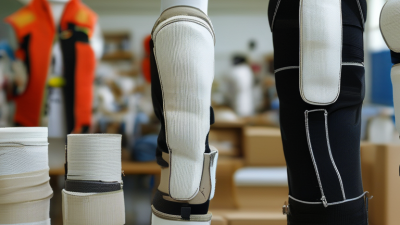
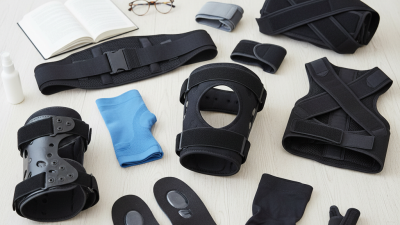
Elastic support is used to steady joints, reduce unwanted movement, and provide gentle pressure during daily activity. It may appear as an elastic bandage, knee sleeve, ankle brace, wrist wrap, or compression garment. The material stretches around the body, then returns toward its original shape. That simple action can create a noticeable feeling of stability.
Sports medicine physician Dr. William O. Roberts explains, “Support should assist movement, not replace the body’s own control.” This principle matters. Elastic support can help manage mild swelling, improve comfort, and remind users to avoid awkward joint positions. A runner may feel less ankle movement on uneven ground. Someone with a tired wrist may gain steadier support while typing or lifting a light object.
It is not a cure.
The correct use depends on the injury, body area, fit, and activity. A sleeve that feels comfortably snug may be useful. One that causes numbness, cold skin, discoloration, or increasing pain is not appropriate. Users should also check the skin after wearing it, especially around bony areas and tight edges.
Elastic support is sometimes treated as a universal solution. That assumption needs reconsideration. It may offer comfort while an underlying problem remains untreated. It cannot replace professional assessment after serious pain, major swelling, deformity, or loss of movement. In practice, the best results often come from combining suitable support with gradual exercise, rest, and informed guidance.
Definition and Basic Function of Elastic Support
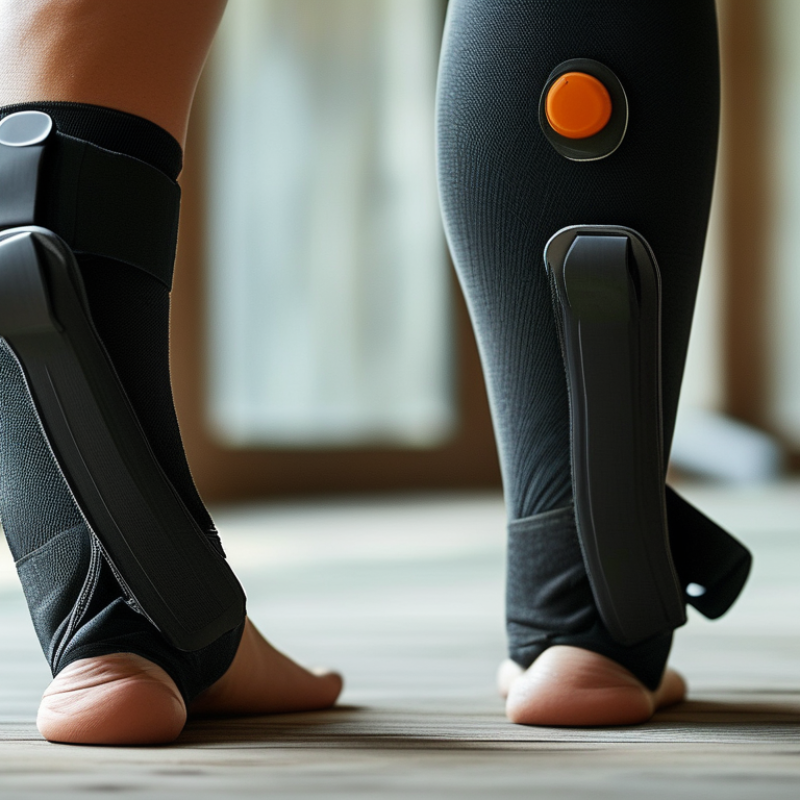
Elastic support is a flexible medical aid made from knitted fabric, elastic fibers, or layered compression material. It gently surrounds a joint or muscle without fully blocking movement. Its basic function is controlled support. It can improve comfort, limit excessive motion, and provide mild compression around the knee, wrist, ankle, or elbow. Compression may also help manage temporary swelling after activity.
The World Health Organization reports that about 1.71 billion people live with musculoskeletal conditions worldwide, making simple support tools relevant in daily care. However, elastic support does not repair damaged tissue or replace clinical treatment.
People often use elastic supports during exercise, recovery, repetitive work, or periods of joint weakness. A suitable product should feel firm, not painful. Fingers or toes should remain warm and normally colored. The fit is rarely perfect on the first try. Users may need to adjust tension, position, or wearing time.
The CDC’s 2023 National Health Interview Survey found that 24.3% of U.S. adults experienced chronic pain, but support garments are not appropriate for every pain source. NICE guidance also indicates that braces should be considered selectively, especially when instability affects function.
A healthcare professional can assess circulation, swelling, skin condition, and movement before regular use. Relying on support alone can sometimes hide worsening symptoms.
How Elastic Support Works in Different Applications
What Is Elastic Support Used For?
How Elastic Support Works in Different Applications
Elastic support combines controlled flexibility with steady pressure. It appears in medical braces, sports equipment, machinery mounts, and building services. Its material stretches under load, then returns toward its original shape. This action can distribute pressure, limit movement, and reduce vibration.
In clinical applications, elastic sleeves support joints without fully immobilizing them. They can improve comfort during walking, lifting, or recovery. The World Health Organization reports that 1.71 billion people live with musculoskeletal conditions worldwide. That figure explains the demand for practical support devices. A well-fitted sleeve may reduce strain around a knee or wrist. It cannot repair damaged tissue.
Not a cure.
Fit, pressure, and skin condition still require careful checking.
Sports users need a different balance. Support should stabilize movement without blocking natural motion.
In machinery, elastic mounts isolate pumps, motors, and compressors from their frames.
The U.S. Department of Energy’s 2017 Motor Systems Market Assessment found motor-driven systems used about 69% of industrial electricity in U.S. manufacturing. Vibration control may protect connected equipment and reduce maintenance problems.
In buildings, elastic hangers can limit noise from fans and pipework.
Small details matter.
Incorrect stiffness can transfer vibration instead of absorbing it, which is an easy design mistake. Load data, temperature, fatigue, and installation quality should guide material selection.
Key Benefits and Limitations of Elastic Support
What Is Elastic Support Used For?
Elastic support is commonly used to stabilize a joint, reduce unwanted movement, and provide gentle compression. It may help people manage mild strains, swelling, or muscle fatigue during daily activity. Athletes often wear it around knees, wrists, ankles, or elbows. The material stretches with movement, so it feels less restrictive than a rigid brace.
Its main benefit is practical comfort. A well-fitted support can remind users to move carefully and may improve confidence after a minor injury. It can also limit awkward motion while allowing routine tasks, such as walking, lifting, or typing. However, elastic support does not repair torn tissue or replace rehabilitation. Excessive tightness may cause numbness, skin irritation, discoloration, or increased discomfort. Fit matters greatly.
Use it thoughtfully. Not as a cure. In my experience, people often wear support longer than necessary because it feels reassuring. That habit deserves reflection. A clinician should assess persistent pain, weakness, marked swelling, or reduced circulation. Users should check the skin and remove the support during rest unless advised otherwise. Clean, dry fabric also matters, especially after exercise. The best choice depends on the injury, body area, activity, and recovery stage, which can change over time.
What Is Elastic Support Used For? Key Benefits and Limitations
Elastic support is commonly used to provide graduated compression, improve comfort during movement, reduce swelling, and support muscles or joints. The chart shows commonly used compression ranges in millimeters of mercury (mmHg); exact classifications vary by clinical guideline and product. Elastic support may not be suitable for everyone, especially people with significant arterial circulation problems, and excessive or poorly fitted compression can cause discomfort, numbness, skin irritation, or impaired circulation. Professional assessment is recommended when symptoms are persistent or severe.
Selection, Installation, and Maintenance Considerations
Elastic supports are used to carry piping, ducts, cables, and light machinery while absorbing movement and vibration. Selection should begin with the working load, travel range, temperature, and environmental exposure. MSS SP-58 provides guidance on support types, materials, and load-related design practice. ASME B31.1 also stresses proper support spacing and flexibility in power piping systems. Do not choose by diameter alone. A small support carrying fluid-filled pipe may face surprising loads.
Installation requires accurate alignment and enough clearance for thermal movement. The support should carry the specified load without bottoming out. Spring rate matters more than appearance. ASHRAE Handbook guidance connects vibration isolation performance with static deflection and system frequency. In practical work, installers should check pipe elevation before and after filling. A dry system can hide settlement. Bolts should be tightened evenly, while insulation and protective coatings must remain intact. A perfect calculation can still meet poor workmanship.
Tips: Record the initial load, height, and ambient temperature. Inspect after commissioning, then every six to twelve months. Look for corrosion, cracked elastomer, permanent sagging, loose hardware, and contact with nearby steel. Compare measurements with the installation record. If movement exceeds the design allowance, stop adjusting blindly; review operating temperature, fluid density, and support spacing. This small review is often missed. A 2023 industrial maintenance survey reported that condition-based inspections are increasingly replacing fixed schedules, but elastic supports still need visual checks after unusual vibration, shutdowns, or process changes.