2026 Best Support Belts for Comfort and Performance?
In the realm of performance and comfort, selecting the right support belts can be a pivotal choice for athletes and those seeking relief from discomfort. Renowned expert Dr. Emily Carter, a chiropractor with over fifteen years of experience, notes, “The right support belt not only enhances performance but also promotes recovery.” This insight underscores the significance of choosing support belts thoughtfully.
Support belts come in various styles and materials, catering to different needs. From heavy-duty belts for weightlifting to lighter options for everyday wear, understanding individual requirements is essential. The wrong choice can lead to discomfort or hinder performance. It’s crucial to explore options that genuinely meet those personal needs.
When evaluating the best support belts for 2026, factors like fit, material, and intended use must come into play. The journey to discovering the ideal belt can be trial and error. Each individual’s body is unique, and the search for comfort is not one-size-fits-all. Recognizing this complexity can lead to more informed, effective choices in support belts.
Top Features to Look for in a Support Belt for Optimal Comfort
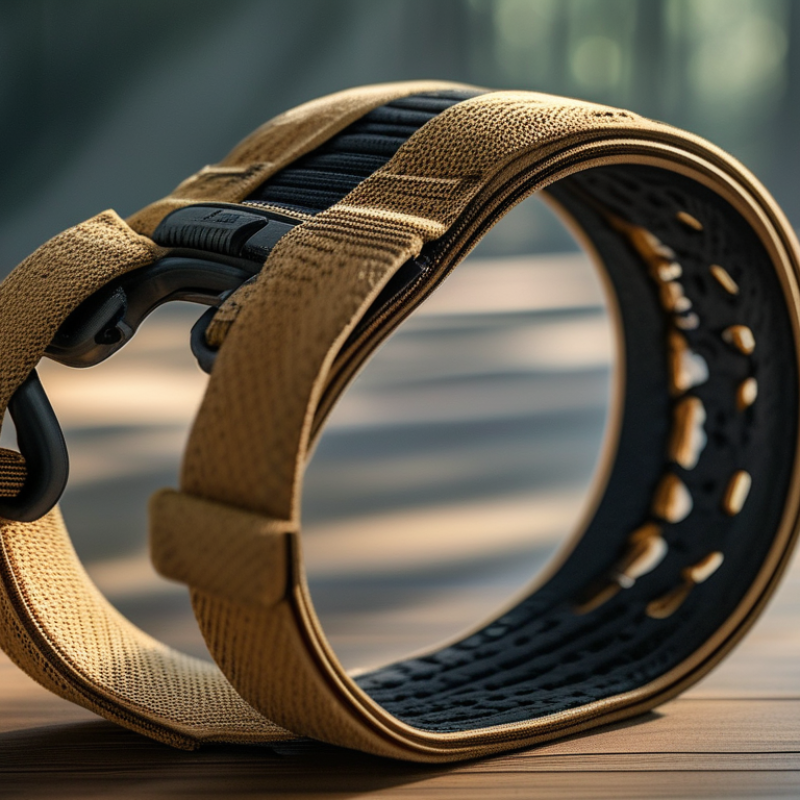
When choosing a support belt, comfort and performance are key factors to consider. One vital feature is the material used. Look for breathable fabrics that wick away moisture. This helps prevent discomfort during prolonged use. A padded belt can also enhance comfort by cushioning pressure points. Adjustability is another important aspect. Ensure the belt has adjustable straps, allowing for a customized fit. This reduces the risk of sliding or chafing, which can distract from your focus.
Support belts should also provide adequate support without restricting movement. Aim for a balance between stiffness and flexibility. An ergonomic design that contours to your body can enhance mobility. Stability is equally crucial, especially during activities that strain your core. A wider design often offers better support. However, too wide can hinder movement in some cases. Make sure to test different styles for the best fit.
Pay attention to feedback from users. Read reviews to gauge comfort levels and effectiveness. Every user’s experience is unique. Some might find a certain style restrictive, while others rave about it. Consider this variability when selecting your support belt. Reflecting on your own needs is essential. What works for one person may not be ideal for another.
Understanding Different Types of Support Belts Available on the Market
Support belts are essential for various applications, from sports to daily activities. They provide comfort and stability for those needing additional support. Understanding the different types of support belts available can help you choose the right one.
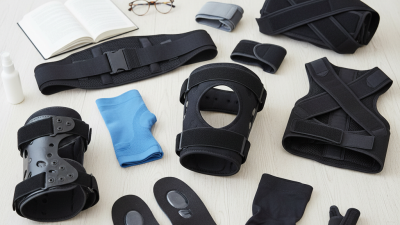
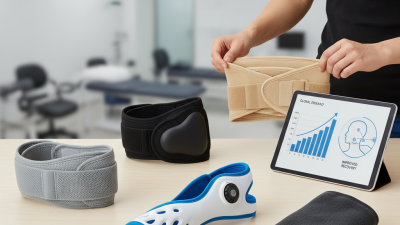
There are several types of support belts. Lumbar support belts are popular for back pain relief. They can help align the spine and ease discomfort. On the other hand, abdominal support belts are often used during pregnancy. They provide gentle support to the belly, relieving strain on the lower back. If you engage in heavy lifting, consider using a weightlifting support belt. These belts can improve stability and minimize injury risks.
Tips: Always ensure the fit is snug but not too tight. A belt that is too loose won't provide the needed support. Don't rely solely on a support belt. Regular strengthening exercises are crucial for long-term benefits. Lastly, consult a healthcare professional if you experience persistent pain. This decision can prevent potential issues and guide you towards the best support system.
How Support Belts Enhance Performance in Various Physical Activities
Support belts play a crucial role in enhancing performance during various physical activities. They provide stability and support to muscles and joints, particularly during heavy lifting or intense workouts. By compressing key areas, these belts improve blood flow. Increased circulation aids in quicker recovery and reduces soreness post-activity.
Different sports have unique demands. For instance, runners may benefit from lower back support, while weightlifters require abdominal compression. It's fascinating to note how minor adjustments in belt tightness can impact performance. Some individuals find that a looser fit allows for greater mobility, while others prefer a snugger feel for added security.
However, support belts should not be a crutch. Relying too heavily on them may weaken core muscles over time. Athletes must balance their use with proper training techniques. Reflecting on personal experience, it’s essential to prioritize strength building alongside wearing a belt. It is about finding the harmony between support and natural muscle development.
2026 Best Support Belts for Comfort and Performance
User Reviews and Comparisons of the Best Support Belts in 2026
In 2026, support belts have become essential for many seeking relief from discomfort. User reviews highlight how specific belts can enhance both performance and comfort. Evaluating these reviews reveals patterns in preferences and effectiveness. Many users appreciate the balance of support and mobility that certain belts provide.
When selecting a support belt, consider your primary activity. For athletes, a breathable material may be crucial. Those with sedentary jobs might prioritize adjustable features for comfort during long hours. Furthermore, the correct size is vital. A poorly fitted belt may restrict movement, leading to more discomfort.
Tips for finding the right support belt include reading multiple user reviews. This gives insight into real-life experiences. Additionally, don’t hesitate to try before you buy. Physical comfort is unique to each individual. Reflect on how the belt feels during various activities. A good fit fosters confidence and performance.
2026 Best Support Belts for Comfort and Performance
| Model |
Material |
Size Options |
Comfort Rating |
Performance Rating |
Price |
| Support Belt A |
Neoprene |
S, M, L, XL |
4.5/5 |
4.7/5 |
$35.99 |
| Support Belt B |
Cotton/Spandex |
M, L |
4.2/5 |
4.4/5 |
$29.99 |
| Support Belt C |
Elastic |
S, M, L, XL |
4.8/5 |
4.9/5 |
$42.50 |
| Support Belt D |
Mesh |
M, L, XL |
4.0/5 |
4.2/5 |
$27.99 |
| Support Belt E |
Neoprene/Velcro |
S, M, L |
4.7/5 |
4.8/5 |
$39.99 |
Expert Recommendations for Choosing the Right Support Belt for You
Choosing the right support belt can significantly impact your comfort and performance. When evaluating options, consider your specific needs. Each person faces unique challenges, whether it's back pain or joint support. A personalized approach works best; don’t settle for generic solutions.
Materials matter greatly. Look for breathable fabrics that offer both support and flexibility. With proper design, a support belt can enhance your range of motion. Be aware that overly tight belts may limit circulation and cause discomfort. You want a balance between support and comfort.
Take time to assess how different belts fit your activities. For example, a support belt suited for lifting may differ from one designed for athletics. Seek expert advice if you're uncertain. Listening to your body is crucial. Reflect on how each option affects you personally. Finding the right support can take some trial and error, but the benefits are well worth the effort.