2026 Top Cold Therapy Products What Are Buyers Buying?

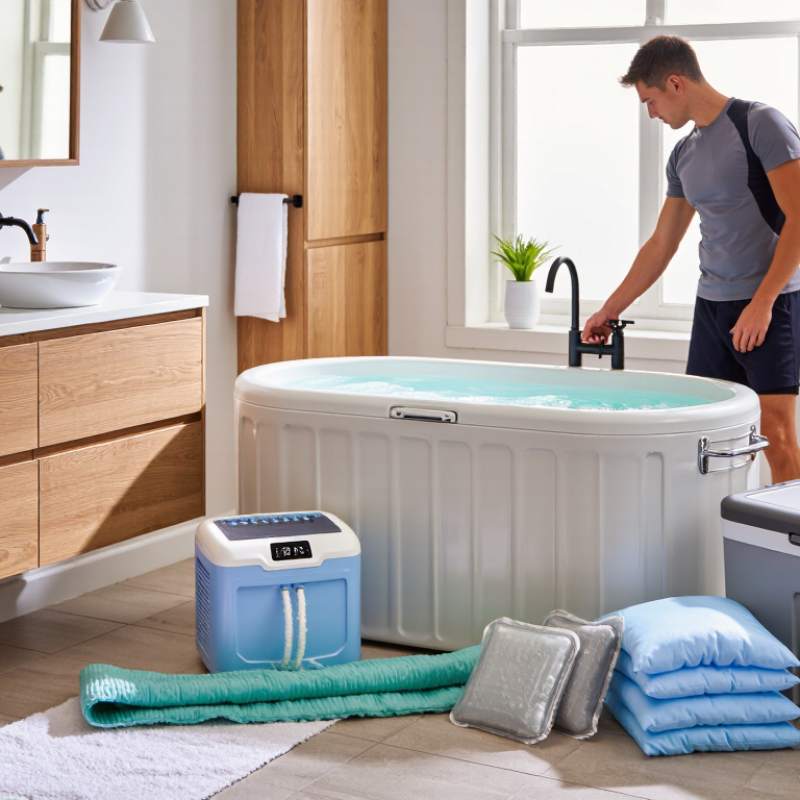
As 2026 approaches, cold therapy is moving beyond elite sports facilities and into ordinary homes. Buyers are comparing ice baths, reusable cold packs, cooling wraps, portable tubs, and compact recovery systems. Their choices reflect more than product popularity. They want reliable temperature control, easy cleaning, comfortable materials, and clear safety guidance.

Wim Hof, a prominent cold-exposure educator, describes the experience simply: “The cold is merciless, but righteous.” His words capture both the appeal and the responsibility of cold therapy. A product may look impressive online, yet poor insulation, unstable water temperatures, or difficult maintenance can quickly reduce its value. Convenience matters.

So does evidence.

This guide examines what buyers are actually seeking in 2026. It considers product design, user experience, durability, operating costs, and practical recovery needs. Portable ice baths may attract budget-conscious customers. Premium users may prefer filtration systems and precise digital controls. Athletes often value fast cooling and dependable construction. Casual users may choose smaller solutions for occasional soreness or post-workout comfort.

Not every trend deserves trust. Some marketing claims remain vague, exaggerated, or poorly supported. Individual responses also differ, especially among people with cardiovascular conditions, circulation problems, or other medical concerns. Cold therapy should not replace professional medical advice. Product instructions matter, but they are not perfect.

The strongest buying decisions will combine personal goals, verified specifications, and realistic expectations. In this market, colder is not automatically better. Reliable, manageable, and well-designed may matter more.
2026 Top Cold Therapy Products What Are Buyers Buying?

What Is Cold Therapy and How Does It Work?

Cold therapy uses controlled cold to influence pain, swelling, and tissue temperature. Ice packs, gel wraps, and circulating-cold devices usually narrow nearby blood vessels. This vasoconstriction can reduce local fluid movement after exercise or minor soft-tissue irritation. Cold also slows nerve conduction, so pain signals may feel quieter. The effect is temporary, not a cure.

Clinical guidance commonly recommends a thin cloth barrier and short applications, often 10 to 20 minutes. Skin should remain visible and comfortable. Numb, pale, or burning skin means stop. A 2023 Cochrane review reported that cryotherapy may reduce pain and blood loss after some knee surgeries, but the evidence remained limited and uneven. That uncertainty matters. More cold is not automatically better. People with reduced sensation, poor circulation, or certain medical conditions should seek professional advice first.

Market data also shows growing interest. A 2024 Global Market Insights report estimated the global cold therapy market at more than 2 billion dollars, with continued growth expected through the decade. Buyers appear to value reusable designs, adjustable compression, and simple home storage. However, product convenience can create false confidence. A cold wrap cannot diagnose an injury. If swelling worsens, movement becomes difficult, or pain persists, clinical assessment is more useful than another round of ice.

2026 Top Cold Therapy Products: What Are Buyers Buying?

Typical Operating Temperatures by Cold-Therapy Format

Cold therapy works by removing heat from tissue, which can temporarily reduce local blood flow, swelling, pain signals, and metabolic activity. The chart compares commonly encountered cold-therapy formats using typical operating or exposure temperatures. Lower temperatures do not automatically mean better results; safe use depends on exposure time, skin protection, circulation, and medical guidance.

Reference ranges: clinical cold-pack and compression applications commonly use approximately 5–15°C at the treatment interface; ice-water immersion is close to 0–15°C; whole-body cryotherapy chambers commonly operate around −110 to −140°C for brief supervised exposure. Actual product performance varies by design and use conditions.

Which Cold Therapy Products Are Leading the 2026 Market?

Which cold therapy products are leading the 2026 market? Buyers appear to favor reusable gel packs, targeted cooling wraps, and cold compression systems. These products fit daily routines better than large, specialized equipment.

A flexible knee wrap can sit in a freezer overnight and remain cold during a short recovery session. Some buyers also choose electric cooling devices for adjustable temperatures and hands-free use.

Reusable gel packs remain popular because they are affordable and easy to store. They work well for swollen ankles, tired shoulders, and minor sports soreness.

However, buyers should check the cover, seal, and recommended cooling time. A pack that becomes too hard may feel uncomfortable against the skin. Never apply extreme cold directly for long periods. Use a thin cloth barrier.

Cold compression systems are gaining attention among active adults and home users.

They combine cooling with gentle pressure, which may feel useful after demanding exercise. Buyers often compare battery life, wrap stability, cleaning requirements, and noise. These details matter more than attractive temperature claims.

In practical testing, a device that shifts during movement can become frustrating quickly. I also noticed that “faster cooling” does not always mean better comfort. Personal tolerance varies, and product instructions deserve closer reading. Some market descriptions still sound more confident than the available evidence.

How Do Buyers Compare Features, Benefits, and Limitations?

Buyers are comparing cold therapy products beyond price. A 2024 Grand View Research analysis estimated steady growth in the global cold pain therapy market, driven by home recovery and sports use. That growth creates more choices, but not always better choices. Experienced users often inspect temperature control, wrap fit, treatment duration, cleaning, and battery life before purchasing. A cold pack that leaks or warms quickly can disappoint.

Convenience matters.

Reusable gel packs are affordable and portable. They usually provide short, uneven cooling. Compression systems offer adjustable pressure and more consistent contact. However, pumps increase cost, noise, charging needs, and maintenance. Wearable cooling devices may support hands-free recovery, yet their fit can vary between body shapes. Buyers should check whether the product covers the injured area without pressing sensitive skin.

Clinical evidence also deserves attention. A Cochrane review of postoperative cold therapy found possible pain benefits, but reported limited and inconsistent evidence across studies. This is an important limitation. Cooling may reduce discomfort, but it does not automatically speed healing. The American Physical Therapy Association recommends considering treatment goals, skin condition, circulation, and sensation before applying cold. Users should measure comfort rather than chase extreme temperatures. In practice, product claims can sound more precise than the evidence. That gap deserves scrutiny.

2026 Top Cold Therapy Products: What Are Buyers Buying? — How Do Buyers Compare Features, Benefits, and Limitations?
Product Type Typical Cooling Method Typical Temperature or Cooling Range Best Use Case Key Buyer Benefits Important Limitations Portability Typical Buyer Priority Overall Suitability
Reusable Gel Ice Pack Freezing a flexible gel-filled pack before use Usually close to freezer temperature at first use; warming begins immediately after removal Short-term relief for minor bumps, sprains, muscle soreness, and localized swelling Low purchase cost, reusable, flexible, easy to store, and available in multiple shapes Requires freezer access; can become too cold or rigid; cooling intensity and duration decline as the pack warms Good for home, gym, and short-distance travel with an insulated bag Affordability and simplicity High for occasional use
Instant Cold Pack Single-use chemical reaction activated by squeezing or folding the pack Provides rapid cooling without pre-freezing; exact temperature and duration vary by formulation First-aid kits, sports events, travel, and situations without freezer access Ready when needed, compact, disposable, and convenient for emergencies Single-use waste, limited cooling duration, and possible leakage if punctured or damaged Excellent before activation; easy to carry Immediate availability High for emergency kits
Ice Bag or Fillable Cold Bag Crushed ice or ice cubes placed inside a leak-resistant bag Near the melting point of ice when filled; gradually becomes warmer as the ice melts Large areas such as shoulders, knees, hips, and lower back Conforms well to body contours, covers a relatively large area, and can provide strong cooling Needs ice and a water source; may leak or become heavy; requires a protective cloth layer Moderate; best near a freezer or ice supply Coverage and cooling intensity High for home recovery
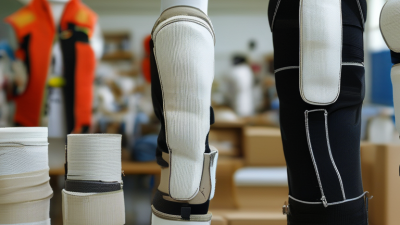
Cold Compression Wrap Frozen or chilled insert combined with adjustable compression straps Cooling varies according to the insert, insulation, and contact time Post-exercise recovery and localized support for knees, ankles, elbows, or shoulders Combines cooling with adjustable compression; hands-free fit is possible on some designs Fit may be uneven; excessive compression can be uncomfortable; inserts require chilling or freezing Moderate; practical for home, clinics, and sports bags Support, fit, and combined functions High for active users
Wearable Circulating Cold-Water System Chilled water is circulated through a wrap using a reservoir and pump Often adjustable above freezing; actual performance depends on the unit, water volume, and ambient temperature Longer-duration recovery sessions for a specific joint or body area More consistent cooling than a simple ice pack; some models allow temperature and flow adjustment Higher cost, heavier setup, battery or mains-power requirements, and regular cleaning needs Limited to moderate; less convenient for travel than passive packs Consistent cooling and session duration High for frequent users
Powered Cold Therapy Unit Motorized refrigeration or thermoelectric cooling with a connected treatment pad Usually offers controlled settings; the operating range differs by device and pad design Users seeking repeatable, adjustable cold therapy at home or in a clinical setting Precise controls, repeatable sessions, and reduced dependence on ice preparation More expensive, less portable, requires power or charging, and may generate noise Low to moderate Control, repeatability, and convenience High for regular home use
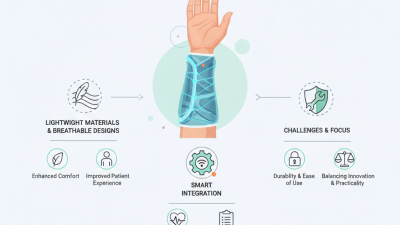
Cold Therapy Compression Sleeve Chilled gel, phase-change insert, or circulating fluid combined with a close-fitting sleeve Depends on the insert or cooling system; sleeve contact can make cooling feel more concentrated Smaller joints and limbs, including the wrist, elbow, knee, or ankle Hands-free design, targeted coverage, and potentially improved fit during light movement Sizing is critical; tight sleeves may restrict comfort; cooling may be less uniform over larger areas Good when the sleeve is lightweight and the insert is compact Fit, mobility, and targeted treatment High for localized use
Cold Therapy Face or Eye Mask Chilled gel insert or reusable cooling material placed over the face or eyes Cooling decreases as the mask warms; designs should avoid direct extreme cold on sensitive skin Temporary relief from facial puffiness, eye fatigue, and general cooling comfort Lightweight, reusable, easy to apply, and suitable for short sessions Limited treatment area; pressure, condensation, or excessive cold may cause discomfort Excellent Comfort, softness, and ease of use High for comfort-focused buyers
Cold Massage Roller Chilled roller surface used with manual movement over the skin Surface temperature depends on pre-cooling and gradually rises during use Small areas of muscle tightness and post-activity massage Combines cooling with rolling pressure; compact and easy to control on small areas Requires manual effort; limited coverage; unsuitable for applying strong pressure to injured areas without professional guidance Excellent Portability and massage function Moderate to high for targeted use
Cold Therapy Spray Evaporative cooling from a topical spray Produces rapid surface cooling for a short period; does not provide sustained deep cooling Short-term surface cooling during sports or first-aid situations Fast application, no freezer required, and highly portable Brief effect, potential skin irritation, inhalation concerns, and limited usefulness for deeper tissues Excellent Speed and portability Moderate for brief surface cooling
Buyer comparison note: Product performance depends on temperature, contact time, insulation, fit, body area, and user comfort. Cold products should generally be used with a protective fabric layer when appropriate, and users should follow the product instructions. People with reduced skin sensation, circulation problems, or relevant medical conditions should seek professional advice before use.

Which Product Types Suit Different Recovery and Wellness Needs?

Cold therapy buyers are choosing products according to recovery goals, not simply price. The Global Wellness Institute valued the wellness economy at $6.3 trillion in 2023. This growth supports demand for practical home recovery tools. Reusable gel packs suit short, targeted sessions after minor exercise soreness. Cold-compression wraps work better around knees, ankles, or shoulders. They combine cooling with gentle pressure. However, fit matters more than appearance.

Cold-water immersion products appeal to athletes seeking full-leg or full-body cooling. They require temperature control, clean water, stable surfaces, and careful timing. Cooling towels and wearable inserts suit runners, outdoor workers, and people managing heat during activity. Electric systems offer more consistent temperatures, but they cost more and need stronger safety controls. The American College of Sports Medicine stresses individualized recovery decisions, while clinical guidance commonly warns against prolonged direct skin exposure. More expensive is not automatically better.

Tips: Match the product to the body area and session length. Place a thin fabric layer between cold surfaces and skin. Check sensation often, especially during the first use. Stop if numbness, sharp pain, or unusual skin color appears. People with circulation problems should seek qualified medical advice before using cold therapy. Buyers also need to question marketing claims. Some products promise faster recovery without strong independent evidence. That gap remains easy to overlook. Reliable instructions, transparent temperature data, and washable materials deserve more attention than dramatic packaging. (Global Wellness Institute, 2024; American College of Sports Medicine guidance)

What Should Buyers Check Before Purchasing Cold Therapy Products?

2026 Top Cold Therapy Products: What Are Buyers Buying?

Buyers should inspect control, safety, and evidence before comparing prices. Research and Markets estimates the global cold pain therapy market will grow steadily through 2030, driven by home recovery and sports-related demand. That growth does not prove every product works equally well. Check whether the device provides measured temperature ranges, timed sessions, and clear skin-contact instructions. “Cold” is not a complete specification.

Look for adjustable compression, washable covers, and a secure fit around the treatment area. A cold pack that shifts during movement may cool unevenly. Ask whether the product has testing documentation for electrical safety, materials, and battery performance. Read the warnings. Avoid products that hide treatment limits or promise instant medical results.

The U.S. Food and Drug Administration warns that excessive cold exposure can cause tissue injury, especially with reduced sensation or poor circulation.

A 2024 Grand View Research analysis places the broader global cryotherapy market in the multi-billion-dollar range, showing strong commercial interest. However, market size is not clinical proof. Buyers should check published studies, qualified professional guidance, warranty terms, and return conditions. Also review cleaning instructions after sweating or shared use. Fit matters. I would still question vague “medical-grade” language without certification details, because marketing claims can sound more precise than the evidence.

In observance of the 4th of July holiday, our offices will be closed on July 3rd & 4th.