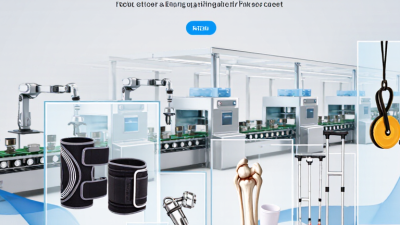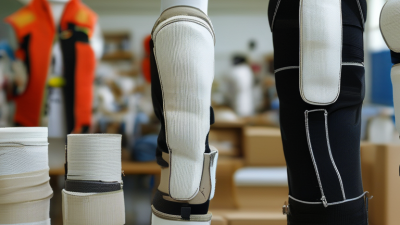
Choosing the best patient care products from China starts with a clear understanding of who will use them and where. The category spans everyday essentials, such as examination gloves, dressings, mobility aids, and patient monitoring accessories. Each product has a different purpose, and a low price alone cannot establish its quality or suitability. Details matter.
China’s manufacturing sector offers a wide range of suppliers, but product quality, documentation, and service can vary. Buyers should look beyond catalog photos and ask for clear specifications, sample units, packaging details, and relevant quality records. Check that product claims and documentation fit the intended use and destination market. When clinical suitability is uncertain, involve qualified healthcare professionals.
Practical testing can reveal issues a product description may miss. A dressing might be difficult to open with gloved hands; a mobility aid may feel unstable on a clinic floor. These small observations matter in daily care. They also deserve honest attention, even when they complicate a purchasing decision. Not every sample will pass.
This guide explores how to compare patient care products from China by function, materials, usability, supplier transparency, and value over time. It does not assume that one brand or product is best for every facility. Instead, it offers a grounded way to ask better questions, weigh evidence, and make careful choices for patients and care teams.

Patient care products are items used to support comfort, hygiene, monitoring, and everyday clinical tasks. The category ranges from disposable gloves and dressing materials to reusable bed rails, thermometers, and mobility aids. Their role is practical: helping caregivers provide consistent support while reducing avoidable discomfort and handling risks. A soft, correctly sized positioning cushion, for example, may make a long period in bed more tolerable. Small details matter.
The term does not mean every product diagnoses or treats a condition. Some items assist with routine care; others collect information that trained staff interpret alongside a patient’s symptoms and history. In healthcare settings, suitability depends on the intended user, care environment, instructions, material quality, and cleaning needs. Products sourced from China vary widely in design and use, so buyers should review specifications, traceability, and quality documentation rather than rely on appearance alone. Labels can be unclear. That distinction matters.
Tips: Match the product to the task and the person using it. Check sizing, packaging integrity, and care instructions before use. For reusable items, confirm that cleaning guidance fits the facility’s routine. If a product’s purpose or limitations are uncertain, ask a qualified healthcare professional or procurement specialist before selecting it. A quick check can prevent a poor fit.
| Product Category | Representative Products | Role in Patient Care | Key Selection Considerations | Quality and Sourcing Checks |
|---|---|---|---|---|
| Examination gloves | Nitrile, latex, or vinyl disposable gloves | Provide a barrier for many routine examination and care tasks. The appropriate glove depends on the task and exposure risk. | Material, size and fit, intended use, allergy considerations, and compatibility with the chemicals or procedures involved. | Review product labeling, relevant test documentation, packaging integrity, lot identification, and traceability. Confirm that the glove type is suitable for the intended procedure. |
| Medical face masks | Single-use medical or procedure masks | May help reduce exposure to droplets and support source control, depending on the product’s design and intended use. | Intended classification, filtration performance, fit, breathability, and the applicable requirements in the destination market. | Check product-specific test reports, labeling, manufacturing-lot details, and whether the product is a medical mask or a respirator; these are not interchangeable categories. |
| Wound-care dressings | Gauze swabs, absorbent pads, and adhesive dressings | Can cover a wound, help absorb exudate, and protect the wound site as part of an appropriate care plan. | Absorbency, size, material, adhesive suitability, intended wound type, and whether a sterile or non-sterile product is required. | For sterile products, verify sterile-barrier packaging, sterilization information, shelf life, and lot traceability. Follow the product instructions for use. |
| Incontinence care products | Adult briefs, pull-on products, and absorbent pads | Absorb urine and help manage moisture during daily care; they do not treat the underlying cause of incontinence. | Absorbency level, fit, size range, skin comfort, fastening design, and ease of changing. | Review material and product labeling, absorbency information, packaging, and consistency between samples and production lots. Change products as appropriate to help protect skin. |
| Disposable underpads | Bed and chair protection pads | Help protect bedding or seating from moisture during patient care. | Dimensions, absorbent capacity, surface feel, backing material, and resistance to leakage under intended use. | Check construction, seam integrity, packaging, and clear product specifications. Match the pad’s size and absorbency to the care setting. |
| Patient beds | Manual or electrically adjustable hospital beds | Support patient positioning and bedside care; adjustable features can assist caregivers with routine care tasks. | Safe working load, adjustment range, dimensions, braking and mobility features, rail configuration, cleaning requirements, and power specifications for electric models. | Review operating instructions, safety documentation, maintenance requirements, spare-parts availability, and applicable destination-market requirements before purchase. |
| How to assess products sourced from China: Choose products according to their intended use, the care setting, and the destination market’s requirements. Verify the actual manufacturing origin, supplier documentation, product specifications, lot traceability, and instructions for use. ISO 13485 concerns a medical-device quality management system; by itself, it does not establish that a specific product is approved for sale in a particular market. | ||||