China has a broad medical manufacturing sector, and orthopedic products cover many distinct needs. These include braces, supports, rehabilitation equipment, and components used in orthopedic care. Yet a product category alone says little about a manufacturer’s capabilities. Materials, design controls, production consistency, and documentation all matter. Small details matter.
This overview of top orthopedic products manufacturers in China introduces companies and the product areas they serve. It also offers practical points for comparing suppliers, such as manufacturing experience, quality-management practices, testing information, and communication responsiveness. A polished catalog is useful, but it cannot replace clear technical documents or direct verification. That distinction is easy to miss.
Readers should assess each supplier against their intended application and local requirements. Product claims and certifications can vary by model, market, and date, so confirm current evidence with the manufacturer. No ranking can settle every purchasing decision. Fit, durability, service, and traceability deserve close attention, too. Even a well-established supplier may not suit every project. That is worth remembering. By looking beyond price and presentation, buyers can build a more informed shortlist and ask better questions before requesting samples or quotations.
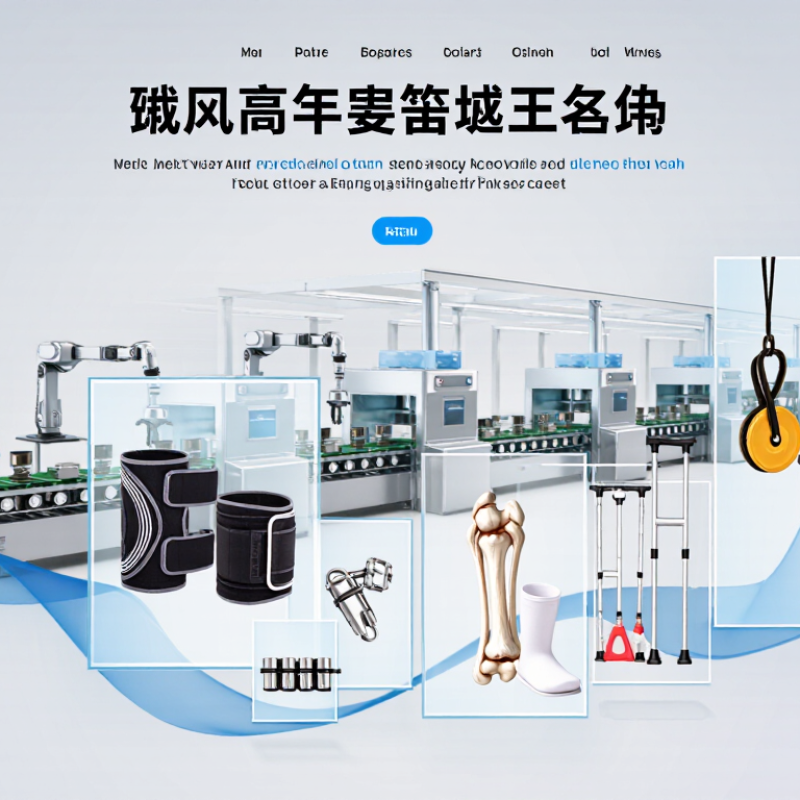
Key Orthopedic Product Categories Made in China
China-made orthopedic products cover trauma fixation, spinal implants, joint replacements, and surgical instruments. Trauma lines include plates, screws, intramedullary nails, and external fixation systems. These parts must fit closely, with smooth edges and reliable locking features. Small differences matter. Spinal products include rods, cages, and fixation screws, often made from titanium alloys or polymer materials. Knee and hip systems combine metal components with durable bearing surfaces. Manufacturers also produce trial components and instrument sets used during surgery.
The range reflects sustained demand: Grand View Research estimated the global orthopedic implants market at USD 48.56 billion in 2023, with a projected 4.7% compound annual growth rate from 2024 to 2030. This figure describes the global market, not China’s manufacturing share. Production quality depends on more than machining capacity; material traceability, dimensional checks, surface finishing, and validated sterilization processes all matter. A polished catalog can still leave questions unanswered. Buyers should review product-specific test records and confirm which processes are performed in-house. The labels are tidy; factory capabilities are less so.
| Product Category | Representative Products | Common Materials | Typical Applications | Common Manufacturing Processes |
|---|---|---|---|---|
| Trauma Fixation | Bone plates, screws, intramedullary nails, wires, and pins | Titanium alloys, stainless steel, and cobalt-chromium alloys for selected products | Internal fixation of fractures in long bones and other skeletal regions | CNC machining, forging, forming, finishing, and surface treatment |
| Spinal Implants | Pedicle screw and rod systems, interbody cages, and cervical plates | Titanium alloys, PEEK, and selected stainless steels | Spinal stabilization and interbody fusion procedures | CNC machining, precision milling, additive manufacturing for selected designs, and surface finishing |
| Joint Replacement | Hip stems, acetabular components, knee components, and bearing inserts | Titanium alloys, cobalt-chromium alloys, zirconia-toughened ceramics, and UHMWPE | Partial or total replacement of damaged hip and knee joints | Forging, casting, CNC machining, polishing, and precision molding |
| Sports Medicine | Interference screws, suture anchors, and ligament reconstruction devices | Titanium alloys, PEEK, absorbable polymers, and high-strength sutures | Soft-tissue repair and ligament or tendon reconstruction | Precision machining, polymer molding, textile processing, and assembly |
| External Fixation | Fixation rods, clamps, pins, and modular frame components | Stainless steel, titanium alloys, and aluminum alloys for selected components | Fracture stabilization when fixation is applied outside the body | Machining, turning, forming, coating, and modular assembly |
| Orthopedic Surgical Instruments | Bone saws, drills, reamers, forceps, and instrument sets | Stainless steel, aluminum alloys, and engineering polymers | Bone preparation, implant placement, and related orthopedic procedures | CNC machining, grinding, heat treatment, passivation, and assembly |
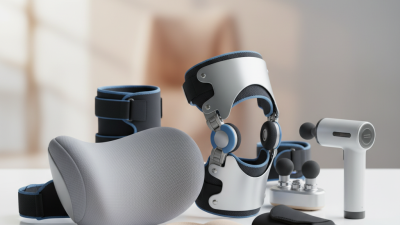
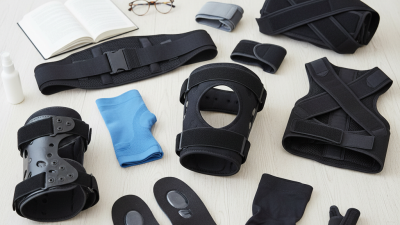
| Orthoses and Braces | Knee braces, ankle-foot orthoses, spinal braces, and supports | Thermoplastics, aluminum alloys, textiles, foam, and hook-and-loop materials | Joint support, movement control, and post-injury or post-operative protection | Thermoforming, cutting, molding, textile fabrication, and fitting |
| Rehabilitation and Mobility Products | Walking frames, crutches, canes, and selected mobility aids | Aluminum alloys, steel, molded plastics, and rubber | Support during walking and mobility rehabilitation | Tube forming, welding, machining, molding, and assembly |
| Bone Graft and Substitutes | Granules, blocks, and putties used as bone graft substitutes | Calcium phosphates, hydroxyapatite, and selected bioactive materials | Filling or supporting bone defects in appropriate surgical settings | Powder processing, granulation, molding, sintering, and packaging |
| Orthopedic Medical Consumables | Surgical drapes, casting materials, and selected procedure accessories | Medical-grade polymers, fiberglass, cotton, and nonwoven materials | Fracture care, immobilization, and support of orthopedic procedures | Textile conversion, coating, molding, cutting, and sterile packaging where applicable |
Materials and manufacturing methods vary by product design and intended use. Product specifications, applicable standards, and regulatory approvals should be verified for each device and market.