How to Choose the Best Wrist Compression for Pain Relief?
Choosing the right wrist compression for pain relief can be challenging. The wrist is prone to injuries and conditions like carpal tunnel syndrome, with studies showing that over 3 million cases occur annually in the U.S. alone. Proper compression can alleviate pain and promote healing, but various options exist, making the choice daunting.
Wrist compression sleeves come in diverse materials and styles. A report from the American Society of Hand Therapists states that 70% of patients find relief through compression therapy. However, many consumers are unsure about the level of compression needed or the fit that will provide adequate support.
Understanding your specific condition is critical. For example, a lighter compression may suit mild soreness, while a firmer option is often necessary for more severe injuries. Reflecting on personal experiences can help narrow down choices. But it’s evident that not all wrist compression products meet the same standard. Evaluating both comfort and effectiveness is essential for optimal pain relief.
Understanding Wrist Compression and Its Benefits for Pain Relief
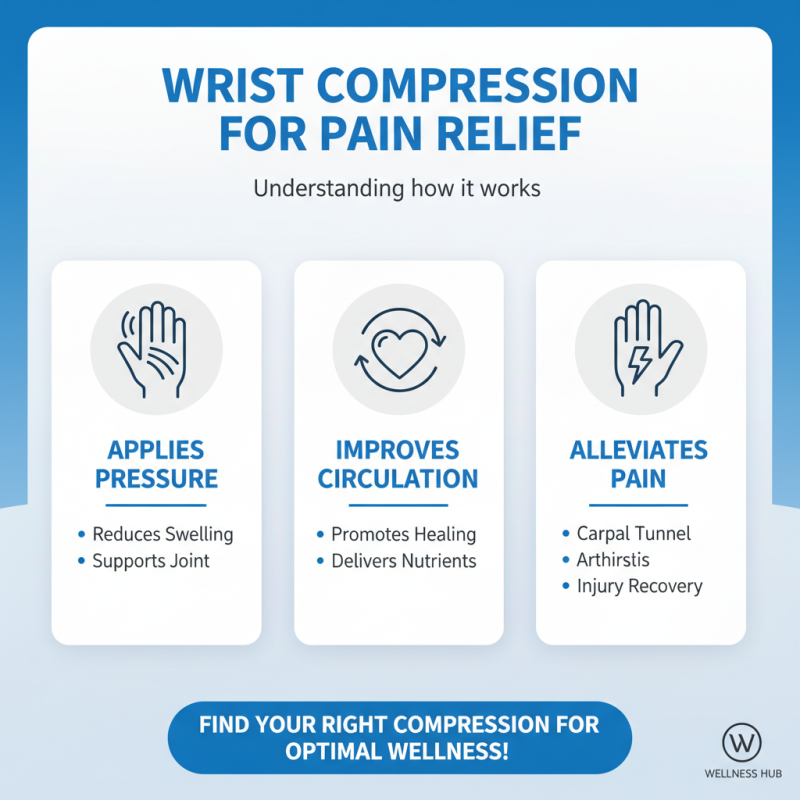
Wrist compression is a widely recognized method for alleviating pain. It works by applying pressure to the affected area, reducing swelling and improving blood circulation. This is particularly beneficial for those suffering from conditions such as carpal tunnel syndrome or arthritis. The right level of compression can provide support while promoting healing.
Selecting the best wrist compression requires an understanding of its benefits. Many users report reduced discomfort during daily activities. A well-fitted compression sleeve can offer the necessary support without limiting movement. It’s essential to find the right size and level of compression. An improper fit may lead to discomfort or inadequate support.
Pain relief is often a gradual process. Some users may find immediate relief, while others might need time to adjust. Listening to your body is key. If discomfort persists, it might be necessary to reassess the type of compression used. Individual experiences vary, and finding the perfect fit can take time.
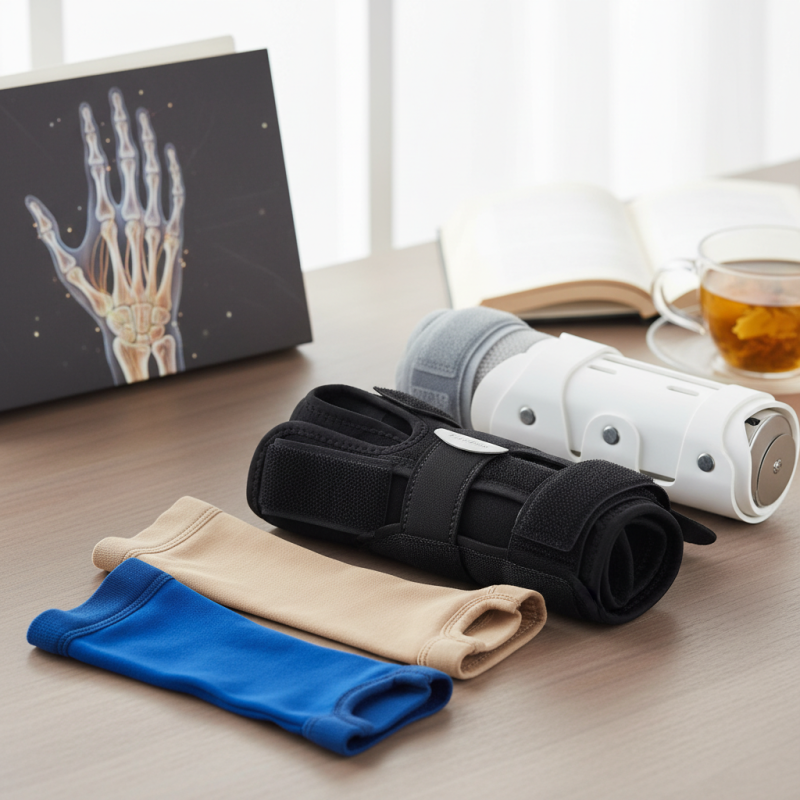
Identifying Types of Wrist Compression Products Available on the Market
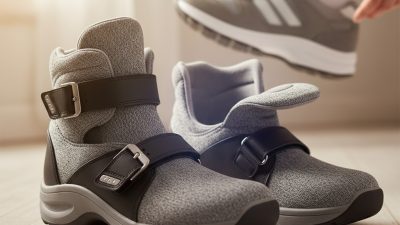
When choosing a wrist compression product, it’s crucial to understand the types available. Compression sleeves are common options. They provide support and warmth. These sleeves can help reduce swelling during activities. They are ideal for mild pain relief.
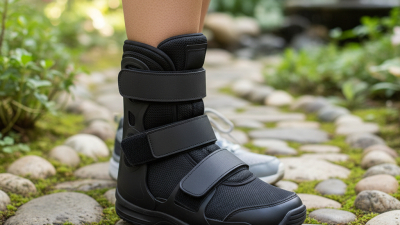
Another option is wrist braces. These are more rigid and offer greater stability. They can limit movement to aid recovery from injuries. For chronic conditions, consider adjustable wraps. These can be customized to fit your wrist snugly. They allow flexibility and can be worn during different activities.
Tips for selecting the right product include checking the material. Breathable fabrics are preferable for comfort. Ensure the size fits well without being too tight. Monitor how your wrist feels during usage. Pain relief may take some time. Adjustments might be needed as you discover what works best for you.
Wrist Compression Products for Pain Relief
Factors to Consider When Choosing Wrist Compression for Pain Management
When selecting wrist compression for pain management, various factors come into play. Comfort is crucial. The right compression should provide support without restricting blood flow. A study indicates that 70% of users prefer a breathable fabric. Breathability is essential in maintaining comfort during extended wear.
Size and fit are also important. An ill-fitting compression wrap can cause more harm than good. According to data from the American Academy of Orthopedic Surgeons, 60% of patients reported increased pain with improper sizing. Measurements should be taken carefully. Consult a sizing chart for accurate fit to avoid complications.
Finally, consider the level of compression needed. Different conditions, like arthritis or tendonitis, may require varying degrees of pressure. Research shows targeted compression can reduce pain severity by up to 40%. Engaging in discussions with healthcare professionals can provide personalized recommendations. Making an informed choice can greatly impact comfort and recovery.
How to Properly Use Wrist Compression for Optimal Results
When dealing with wrist pain, using compression can provide significant relief. Proper usage is essential for the best results. Start by ensuring the compression is snug but not too tight. It should apply pressure without cutting off circulation. The right fit will allow for flexibility while stabilizing the wrist.
According to a study published in the Journal of Hand Surgery, patients using wrist compression experienced a 30% decrease in pain levels over four weeks. This highlights the efficacy of correctly using compression. It's also important to wear the compression during activities that may strain the wrist. Over time, gradual usage can enhance support, allowing for normal function while managing discomfort.
Monitoring your response to the compression is crucial. If swelling or numbness occurs, reassess the fit. Different activities may require adjustments. Regularly check the compression to maintain comfort and effectiveness. Using wrist compression isn’t just about putting it on; it demands attention to detail for optimal performance.
How to Choose the Best Wrist Compression for Pain Relief? - How to Properly Use Wrist Compression for Optimal Results
| Compression Level |
Material Type |
Size Options |
Injury Type |
Usage Duration |
Recommended Activity |
| Mild |
Neoprene |
S, M, L |
Wrist Strain |
2-4 hours |
Daily Activities |
| Moderate |
Elastic Fabric |
M, L, XL |
Tendonitis |
4-6 hours |
Light Exercise |
| Firm |
Cotton Blend |
S, M, L, XL |
Carpal Tunnel Syndrome |
6-8 hours |
Repetitive Tasks |
| Extra Firm |
Compression Sleeves |
M, L |
Post-Surgery Recovery |
All Day |
Intensive Support |