2026 How to Choose the Right Wrist Splint for Your Needs?
Choosing the right wrist splint is essential for managing wrist issues. Many people face challenges when selecting the most suitable splint for their needs. This choice can greatly impact comfort and recovery.
Wrist splints come in various types, each designed for different conditions. You must consider factors such as material, size, and intended use. For instance, a splint that provides firm support may restrict movement. Conversely, a more flexible splint may not offer adequate protection during daily activities.
Understanding your specific requirements is crucial. Consultation with a healthcare professional can help guide your decision. A well-chosen wrist splint can alleviate pain and promote healing. However, if the choice is not made carefully, it might lead to discomfort or worsen the condition. Always reflect on your experiences and remain open to adjustments.
Understanding Wrist Splints: Types and Purposes
Wrist splints play a crucial role in managing various wrist conditions. They provide support, reduce pain, and promote healing. Understanding the different types of wrist splints is essential. There are rigid, soft, and adjustable splints available. Each is designed for specific issues, such as carpal tunnel syndrome or wrist sprains.
Research indicates that nearly 80% of individuals with wrist pain find relief with proper splinting. Rigid splints limit motion effectively, while soft splints offer comfort and moderate support. Adjustable splints cater to varying needs and can be adapted as swelling decreases. The choice depends on the severity of the condition and the level of immobilization required.
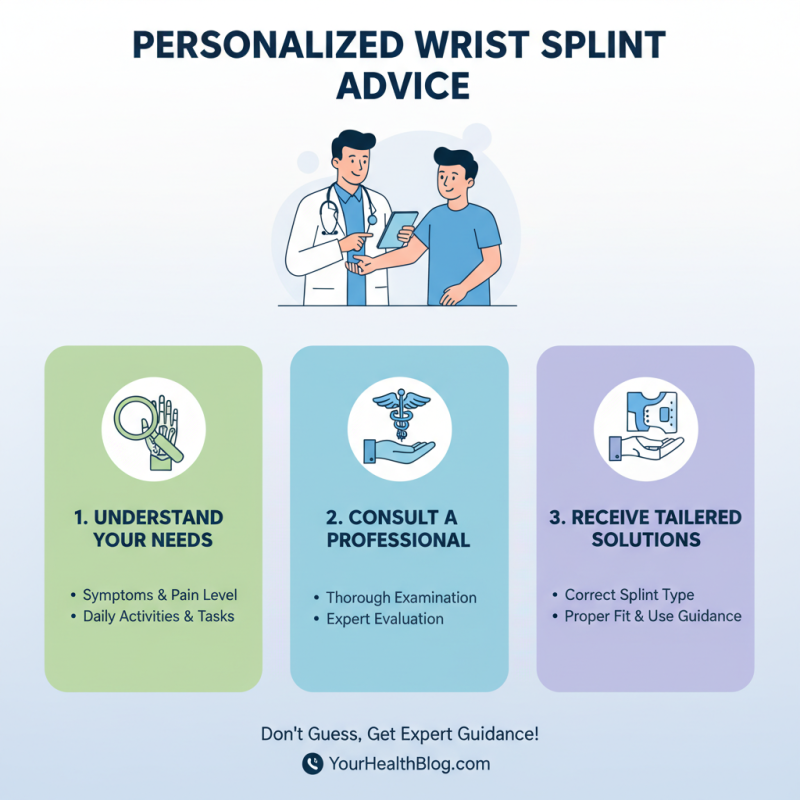
Choosing a wrist splint can be challenging. Some people experience ongoing discomfort due to incorrect sizing or type. It's vital to seek professional advice. An occupational therapist or medical professional can help suggest the best option. An individualized assessment often leads to better outcomes. It’s common for users to underestimate their needs initially. Consequently, returning to a professional for guidance can prevent future complications.
2026 How to Choose the Right Wrist Splint for Your Needs? - Understanding Wrist Splints: Types and Purposes
| Type of Wrist Splint |
Purpose |
Indications |
Key Features |
| Rigid Wrist Splint |
Stabilization |
Wrist fractures, severe sprains |
Strong support, non-flexible materials |
| Soft Wrist Splint |
Support and Compression |
Mild sprains, overuse injuries |
Lightweight, breathable fabric |
| Wrist Brace |
Mobility with Support |
Carpal tunnel syndrome, arthritis |
Adjustable straps, allows movement |
| Thermal Wrist Splint |
Heat Retention |
Chronic pain, muscle stiffness |
Insulating materials, comfy fit |
| Thumb Spica Splint |
Thumb Immobilization |
Thumb fractures, de Quervain's tenosynovitis |
Thumb section immobilization, adjustable fit |
Assessing Your Specific Wrist Condition for Optimal Support
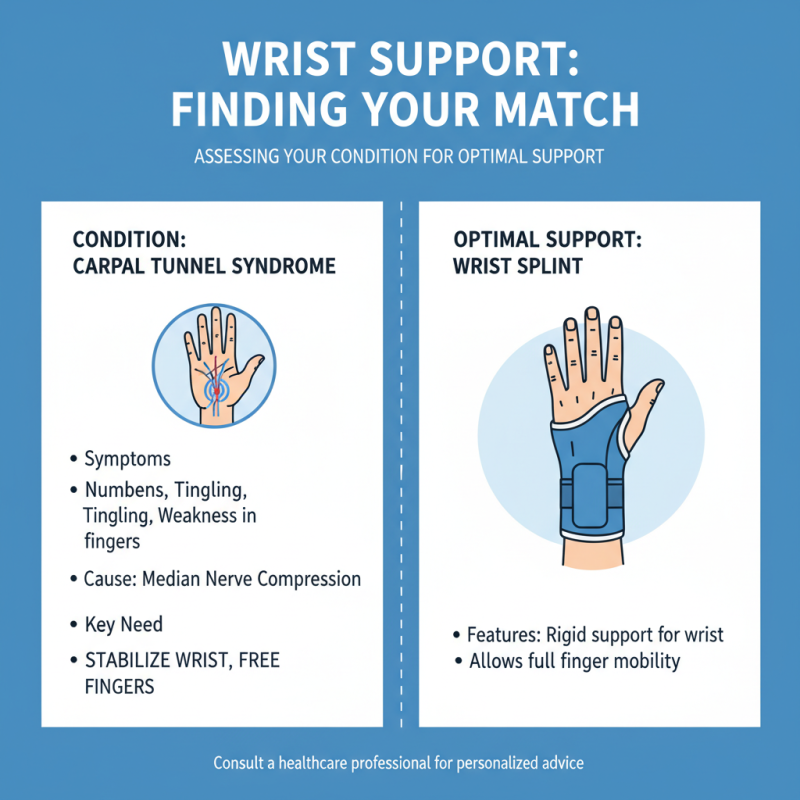
When selecting a wrist splint, it’s crucial to consider your specific wrist condition. Different conditions require different types of support. Carpal tunnel syndrome, for example, needs a splint that stabilizes the wrist without restricting finger movement. This allows for mobility while reducing pressure on the median nerve.
Assess your symptoms carefully. Is there pain, swelling, or stiffness? Each symptom might indicate a different need. A firm splint may work for acute injuries, while a softer, more flexible one may suffice for chronic issues. Remember, not all splints are created equal. Finding the right one can be a bit of a trial-and-error process. You might need to try several options before discovering what feels right.
It’s also essential to reflect on how your condition affects your daily activities. Some splints allow for partial movement, while others immobilize the wrist completely. Think about when and where you’ll be using it the most. An overly snug splint can cause discomfort. So, comfort and functionality must be balanced in your choice. Take your time to explore different options, and don’t hesitate to consult a healthcare professional for guidance.
Material and Design Considerations for Comfortable Wear
When choosing a wrist splint, material and design are critical factors. A splint made from breathable fabric can enhance comfort during daily use. Look for options that incorporate soft liners to reduce friction. Many users appreciate adjustable straps. This allows for a customizable fit. Poor fitting splints can lead to discomfort and ineffective support.
Consider the splint's rigidity as well. A flexible design may offer comfort but less stability. Conversely, a rigid splint provides more immobilization. However, it can feel cumbersome. Try to find a balance that suits daily activities. Regular adjustments during wear may be needed. The ideal splint should promote healing without compromising movement.
Moreover, be mindful of allergies or skin sensitivities. Materials like neoprene can cause irritation for some individuals. Exploring hypoallergenic options is wise. It’s often overlooked, but color and aesthetic can also impact wearability. A visually appealing splint may encourage regular use, especially for those concerned about appearance. Finding the right combination can take time and effort. Each person's comfort levels and needs vary.
Material and Design Considerations for Wrist Splints
Size and Fit: How to Choose the Right Fit for Your Wrist
Finding the right wrist splint starts with understanding size and fit. A good fit is crucial for comfort and support. Measure your wrist circumference just above the bone. This measurement helps you choose a splint that stays in place without being too tight.
When trying on a splint, assess its snugness. It should feel secure but not restrictive. You should be able to move your fingers. Signs of irritation or excessive pressure indicate a poor fit.
Tips: Consider the material of the splint. Breathable fabrics can prevent sweat build-up. If you experience discomfort, don’t hesitate to explore different sizes or styles. Always prioritize your comfort over aesthetics.