How to Choose the Best Orthopedic Products for Your Needs?
Choosing the right orthopedic products can be daunting. With countless options available, making an informed decision is crucial. Many people do not fully understand their specific needs. This guide aims to clarify your selection process.
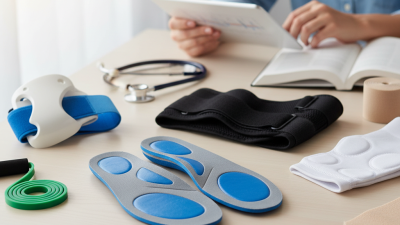
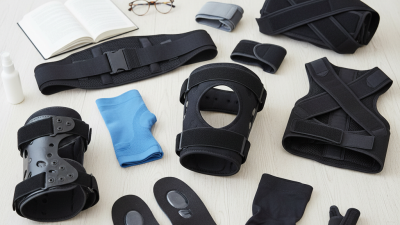
Orthopedic products play an essential role in recovery and support. They range from braces and supports to specialized footwear and rehabilitation equipment. Each product serves a unique purpose tailored to various conditions. The best choice often depends on personal requirements and medical advice. Consulting healthcare professionals can make a significant difference.
Reflecting on testimonials from real users can provide insight into product effectiveness. However, reviews can sometimes be misleading. It's important to weigh both positive and negative experiences. Your unique needs deserve careful consideration. Remember, orthopedic products should enhance your mobility and comfort, not complicate your life.
Understanding Your Specific Orthopedic Needs and Conditions
When considering orthopedic products, understanding your specific needs is crucial. Each person's condition varies significantly. For instance, someone with knee pain may benefit from a brace that stabilizes the joint. In contrast, those with back issues might require a lumbar support system instead. Properly assessing where you experience discomfort will guide your choices, making the selection process more effective.
Identifying the right orthopedic tools can feel overwhelming. A physical therapist can provide insights. They can recommend solutions tailored to your unique circumstances. Sometimes, products that seem appropriate may not offer the best support. This highlights the importance of trying different options to see what works best for you. Not every solution will meet your needs perfectly, but trial and error can lead to improvement. Prioritize comfort, safety, and support in your decisions, and remember that the right choice can enhance your mobility and overall well-being.
How to Choose the Best Orthopedic Products for Your Needs?
| Product Type |
Recommended Condition |
Key Features |
User Feedback |
| Orthopedic Knee Brace |
Knee Injuries, Arthritis |
Adjustable straps, cushioned support |
Highly effective for pain relief |
| Lumbar Support Belt |
Lower Back Pain, Herniated Discs |
Breathable fabric, adjustable size |
Provides excellent back support |
| Ankle Support Brace |
Sprains, Overuse Injuries |
Lightweight, flexible design |
Comfortable for daily wear |
| Wrist Support Brace |
Tendinitis, Carpal Tunnel Syndrome |
Stabilizing splint, adjustable straps |
Effective in reducing wrist pain |
| Shoulder Immobilizer |
Post-Surgery, Dislocations |
Padded support, adjustable fit |
Great support during recovery |
Exploring Different Types of Orthopedic Products Available
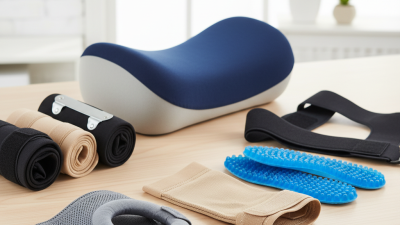
When exploring orthopedic products, it’s essential to understand the various types available. Braces and supports are common for joint stability. They help manage pain and enhance mobility. These products come in many designs, from simple sleeves to complex braces. Make sure to consider your specific condition when choosing one.
Shoes designed for orthopedic support are another popular category. They often feature enhanced cushioning and arch support. These shoes can alleviate pressure on sensitive areas, providing comfort for daily activities. Styles vary, so finding one that suits your personal taste and needs is essential.
You might also encounter specialized devices like orthotics. They’re custom-fitted to provide alignment and support. While they can be beneficial, not everyone may require them. Evaluating your situation is crucial. Consulting a healthcare professional can aid in determining whether these products fit your lifestyle and needs.
Choosing the Best Orthopedic Products for Your Needs
Evaluating Quality and Materials in Orthopedic Products
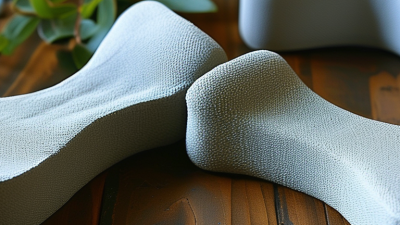
When selecting orthopedic products, evaluating quality and materials is crucial. The effectiveness of these products often relies on the materials used in their construction. For example, memory foam is popular in orthopedic pillows and mattresses. This material conforms to the body's shape, providing support while alleviating pressure points. It is essential to analyze the density and firmness of the foam. Denser foam usually offers better support.
Natural materials, such as cotton or bamboo, are often more breathable. Choosing breathable materials can enhance comfort, especially during long-term use. However, synthetic alternatives might offer better durability. This leads to a trade-off between comfort and longevity, which deserves careful consideration. It’s important to reflect on personal needs and preferences.
Additionally, observing certifications is vital. Look for products that meet safety and performance standards. This indicates a level of quality that is trustworthy. User reviews can also reveal the real-life performance of products. Everyone’s requirements differ, so exploring various user experiences provides valuable insights. Balancing quality, comfort, and durability is essential in making a well-informed decision.
Assessing Fit and Comfort for Optimal Use of Orthopedic Products
Assessing fit and comfort is crucial when choosing orthopedic products. Studies indicate that over 70% of users experience discomfort due to poor fitting items. This can lead to reduced compliance, negating the product's potential benefits. Individuals must consider factors like size, shape, and material when selecting their orthopedic aids. A well-fitted brace or orthotic can enhance mobility and reduce pain during everyday activities.
The materials used in orthopedic products also play a significant role in comfort. According to the Journal of Orthopedic Research, advancements in fabric technology have improved breathability and moisture-wicking properties, which can directly affect user satisfaction. While many prioritize aesthetics, the right fit ensures optimal support. Evaluating various products can lead to better outcomes but requires time and effort.
Feedback from physical therapists highlights common issues with fit, such as pressure points or restricted motion. Many users find themselves in situations where a product felt great initially but became uncomfortable over time. Regular assessments of fit and comfort can help avoid such pitfalls. An orthopedic product should feel like a supportive extension, not a restrictive burden.
Consulting Healthcare Professionals for Tailored Recommendations
Consulting with healthcare professionals is crucial when choosing orthopedic products. They can offer tailored recommendations based on your specific needs. Whether you have chronic pain, an injury, or require post-surgical support, professionals assess your condition effectively. Their insights ensure that you select appropriate products to enhance your comfort and mobility.
Be open and honest during consultations. Share detailed information about your symptoms, activity levels, and any past treatments. This helps professionals recommend orthotic devices, braces, or supports that fit effectively. They may suggest trying a few different options to see what works best for you.
Consider seeking multiple opinions for a well-rounded perspective. Each healthcare professional may have unique insights or experiences. This can assist in overcoming any biases or blind spots. After all, your health is a collaborative effort between you and your medical team. By engaging closely with these experts, you can gain confidence in your choices.