Choosing the right support belts requires more than selecting the tightest design or the strongest material. The correct belt should match your activity, body shape, comfort needs, and intended level of support. A belt for warehouse lifting may differ greatly from one used during exercise, recovery, or prolonged standing.
Dr. Stuart McGill, a respected spine biomechanics researcher, puts it plainly: “A belt is not a substitute for good technique.” That reminder matters. Support belts may improve trunk awareness and provide useful compression, but they cannot correct unsafe movement or replace professional medical advice. A well-designed belt should feel secure without restricting normal breathing or causing numbness.
Look closely at the details. A wide back panel may spread pressure more evenly. Adjustable closures can help accommodate changes in clothing and body position. Breathable fabric may reduce sweating during long shifts. However, more structure is not always better. An overly rigid belt can feel uncomfortable, especially when sitting, bending, or driving.
This guide examines those practical differences. It considers fit, materials, support levels, durability, and everyday usability. It also questions common marketing claims. Some products promise “maximum protection,” yet provide little evidence beyond confident wording. That deserves caution.
Measure carefully. Test natural movement. Notice pressure points.
If pain, weakness, or recurring injury is involved, consult a qualified healthcare professional before using support belts. The best choice is not necessarily the most expensive model. It is the one that provides appropriate support while allowing safe, controlled movement.
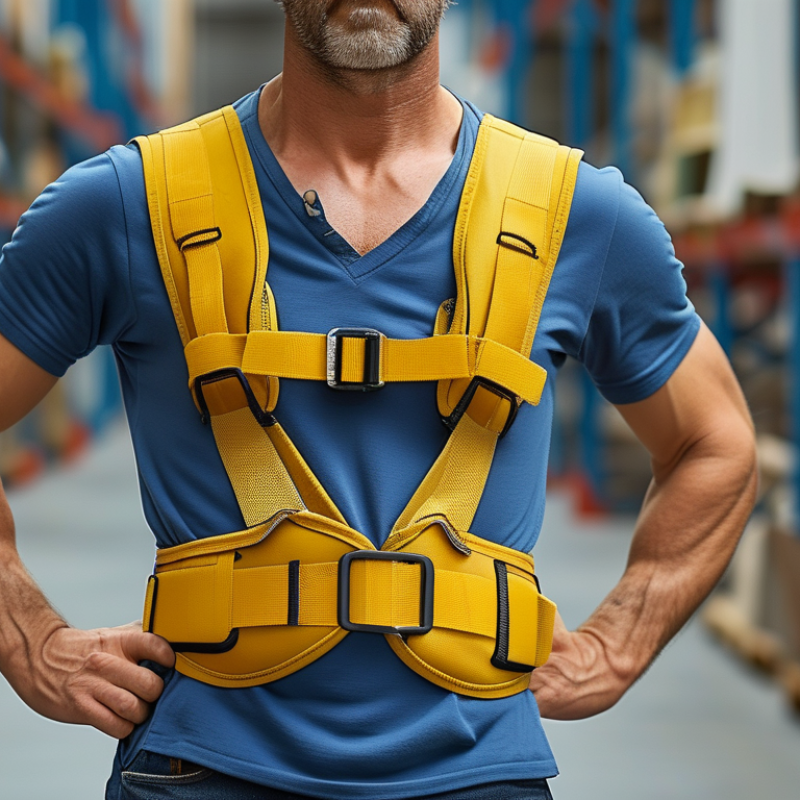
Support belts are wearable devices designed to stabilize the lower back, abdomen, or pelvis. They usually combine elastic fabric, adjustable panels, and firmer supports. When tightened correctly, a belt applies gentle compression around the trunk. This may improve body awareness and reduce excessive bending during lifting or repetitive work.
The mechanism is practical, not magical. Compression can increase proprioception, helping users notice posture changes earlier. Some designs also limit extreme flexion and distribute pressure across the abdomen and lumbar area. However, a belt does not replace strong muscles, safe lifting technique, or rehabilitation. The World Health Organization reports that lower back pain affected about 619 million people globally in 2020. The figure may reach 843 million by 2050, according to a 2023 Lancet study. These numbers show the problem’s scale, but they do not prove that belts prevent every injury.
Choose carefully.
Tips: Measure your waist where the belt will sit, then check the manufacturer’s sizing method. It should feel supportive, not restrictive. You should breathe, walk, and sit comfortably. Wear it during demanding tasks, rather than continuously without professional advice. Stop if you notice numbness, skin irritation, or increasing pain. A 2021 systematic review in the Journal of Occupational Rehabilitation found limited evidence for routine back-belt use in preventing workplace injuries. That finding deserves attention. Belts can help some people, yet the research remains incomplete. A physiotherapist or occupational-health specialist can assess fit, movement patterns, and the real cause of discomfort.
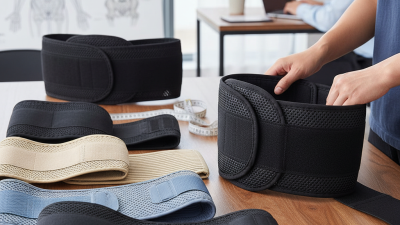
A support belt should answer a specific need, not simply feel reassuring. Start by identifying the area requiring help: lower back, abdomen, wrist, knee, or another joint. Note when discomfort appears. Is it triggered by lifting, long sitting, exercise, pregnancy, or injury recovery? A short symptom diary can reveal patterns that memory misses.
The belt’s purpose matters. A flexible lumbar belt may remind you to adjust posture during brief activities. A structured brace may limit movement after professional assessment. For abdominal support, fit and breathability are especially important. The belt should feel firm, never crushing. You should breathe deeply, walk normally, and check your skin easily. Measure according to the instructions, because sizing differs between designs.
Do not use support to push through sharp pain, numbness, weakness, swelling, or unexplained symptoms. Seek advice from a qualified clinician, especially after surgery or trauma. They can assess whether support is suitable and how long to wear it. Comfort can be misleading. A belt may feel helpful while hiding a problem. Many people choose maximum compression too soon. That choice is understandable, but not always wise. Reassess after movement, not only while standing still.
The right support belt begins with the task, not the color or advertised strength. A lumbar belt can limit unwanted movement during lifting, while an abdominal belt may protect a healing midsection. A maternity belt serves a different purpose. Do not treat these types as interchangeable. Measure your waist where the belt will sit, preferably over a thin shirt. Check the size chart, but measure twice. A belt that slides can create pressure points; one that feels rigid may restrict comfortable breathing.
Material changes comfort, stability, and skin tolerance. Breathable elastic or knitted fabric suits extended daytime wear, especially in warm rooms. Neoprene-like materials can feel warmer and provide firm compression, but sweat may collect underneath. A semi-rigid belt with molded panels offers more structure for selected tasks, though it may feel bulky while sitting. Look for wide, smooth edges and adjustable closures that hold without digging into the ribs or hips. I have found that “maximum support” is not always better; excessive tightness can distract from safe movement. That judgment is easy to miss. Use the belt as directed by a qualified healthcare professional when pain, injury, pregnancy, or recovery is involved. Stop if numbness, skin discoloration, worsening pain, or breathing difficulty appears. Fabric choice still needs testing.
| Belt Type | Typical Use | Primary Support Function | Common Materials | Breathability | Adjustability | Key Selection Consideration |
|---|---|---|---|---|---|---|
| Elastic Lumbar Support Belt | Daily activities, light lifting, prolonged standing, and lower-back comfort. | Provides gentle compression and reminds the wearer to maintain a neutral posture. | Elastic fabric, nylon, polyester, hook-and-loop closure. | Moderate to high, depending on mesh content. | Usually adjustable with a wide hook-and-loop fastening panel. | Choose a flexible design that fits securely without restricting normal breathing or movement. |
| Rigid Lumbar Support Belt | Activities requiring greater trunk stability or controlled movement. | Limits excessive bending and provides stronger abdominal and lower-back support. | Nylon or polyester fabric with flexible or semi-rigid stays. | Moderate; mesh panels can improve airflow. | High, often using a primary strap plus secondary tension straps. | Check the number, position, and flexibility of the stays; excessive rigidity may be uncomfortable during prolonged wear. |
| Weightlifting Belt | Heavy resistance training and compound lifts performed with proper technique. | Increases abdominal bracing by providing a firm surface against which the torso can press. | Leather, synthetic leather, nylon, or suede lining. | Low to moderate. | Moderate; available with prong, lever, or hook-and-loop closures. | Select the thickness and width according to comfort, lifting style, and training experience. It should not replace correct technique. |
| Sacroiliac Support Belt | Support around the pelvis during walking, standing, or daily movement. | Applies targeted compression around the pelvic area to improve perceived stability. | Elastic webbing, breathable fabric, and hook-and-loop fasteners. | High when made with breathable elastic or perforated fabric. | High, with targeted tension adjustment. | The belt should sit around the pelvis rather than the waist and should remain comfortable while walking. |
| Maternity Support Belt | Pregnancy-related abdominal and pelvic support during standing or walking. | Helps support the abdomen and may reduce strain on the lower back and pelvis. | Soft elastic, cotton-blend fabric, nylon, and breathable mesh. | Moderate to high. | High, with adjustable panels designed to accommodate changing body size. | Choose a soft, non-compressive design and follow guidance from a qualified healthcare professional when discomfort persists. |
| Abdominal Binder | Postoperative or post-injury abdominal support when clinically recommended. | Provides broad, gentle compression and may support the abdominal wall during movement. | Elastic fabric, cotton blend, nylon, and hook-and-loop closure. | Moderate. | High, with adjustable overlapping panels. | Fit should be prescribed or confirmed by a healthcare professional; it must not interfere with breathing, circulation, or wound care. |
| Workplace Back Support Belt | Short-duration manual tasks involving frequent bending or light-to-moderate handling. | Provides compression and proprioceptive feedback during work activities. | Nylon, polyester, elastic webbing, foam padding, and mesh. | Moderate to high. | High, commonly using adjustable side or lumbar straps. | Use it together with safe lifting practices, load management, and appropriate workplace ergonomics. |
| Neoprene Support Belt | Short-term support during exercise or activities where warmth and flexibility are desired. | Provides light compression and retains body heat around the supported area. | Neoprene, nylon fabric, and hook-and-loop fastening. | Low; heat and moisture can build up during extended use. | High. | Suitable for users who tolerate warmth well; avoid prolonged wear if skin irritation or excessive sweating occurs. |
Fit matters more than a dramatic feeling of tightness. Measure your waist where the belt will sit, then compare it with the manufacturer’s sizing chart. A support belt should lie flat against your body without digging into your ribs or hips. You should breathe normally. You should also bend gently without the belt rolling upward.
Comfort affects consistent use. Check the inner surface for rough seams, trapped heat, or stiff edges. Wear the belt over the clothing used during work, not only over a thin shirt. The World Health Organization reports that lower back pain affected about 619 million people worldwide in 2020. That figure is expected to reach 843 million by 2050. A poor fit can add pressure and distraction, rather than useful support.
Adjustability deserves careful attention. Look for secure fastening, easy release, and enough range for small body changes. Test the belt while walking, lifting lightly, and sitting. It should remain stable without constant tightening. NIOSH guidance cautions that back belts should not replace safer work design, training, or lifting controls. That point is easy to overlook. A belt may feel protective, but that sensation does not prove injury prevention. Some users tighten it too much, believing stronger compression means better support. It may instead restrict movement and create discomfort. Recheck the fit after several minutes; initial comfort can be misleading.
How to Choose the Right Support Belts?
A support belt should match the task, body area, and medical need. It should feel secure, not restrictive. Place it over a thin clothing layer, then tighten it gradually. You should breathe, bend, and walk without numbness or sharp pressure. Remove it if your skin becomes pale, cold, swollen, or unusually irritated. Pain is a warning, not a fitting target.
Evidence deserves attention. The U.S. Bureau of Labor Statistics reported 822,700 work-related musculoskeletal disorder cases involving days away from work in 2022. Yet a belt cannot replace safer lifting methods or workplace redesign. A NIOSH review found no reliable evidence that back belts prevent occupational injuries. A Cochrane review also reported insufficient evidence for routine lumbar-support use. These findings do not make every belt useless. They show that comfort and prevention are different questions.
Check the belt before each use. Look for stretched elastic, broken stitching, damaged fasteners, and hard edges. Wash it according to the care label, using mild detergent. Let it air-dry completely before wearing it again. Heat may weaken elastic materials. Do not share a belt when hygiene or skin conditions are concerns. Keep a simple usage note for discomfort, numbness, or reduced movement. I would not ignore repeated symptoms, even when the belt feels helpful. A qualified clinician should assess persistent pain, weakness, or tingling. Forgetting this step is an easy mistake.
This chart summarizes the practical safety actions to complete at each stage of support-belt use. Before wearing a belt, check its condition, fit, position, and freedom of movement. During use, stop if it causes pain, numbness, breathing difficulty, or skin irritation. After use, follow the care label, allow the belt to dry fully, and inspect it before storing. A support belt should provide comfortable support and should not replace professional medical advice or safe lifting technique.
© 2023 Bird & Cronin, LLC. All Rights Reserved.

In observance of the 4th of July holiday, our offices will be closed on July 3rd & 4th.