How to Choose the Right Wrist Cast for Your Needs?
Choosing the right wrist cast begins with the injury, not the product label. A cast for a stable fracture may differ greatly from one used after surgery, ligament damage, or severe swelling. The American Academy of Orthopaedic Surgeons’ Clinical Practice Guideline on distal radius fractures emphasizes imaging, fracture stability, and patient factors when planning treatment. It does not support a one-size-fits-all solution.
This matters because the wrist performs small, repeated movements throughout the day. A poorly fitted cast can press against the thumb, rub the palm, or leave the fingers unusually cold. The National Institute for Health and Care Excellence recommends careful assessment of swelling, circulation, sensation, and movement during fracture care. Those checks should guide any wrist cast decision. Comfort matters, but comfort alone is not proof of proper support.
A practical choice should consider material, breathability, adjustability, hygiene, and the expected healing period. Fiberglass is often lighter and more water-resistant than traditional plaster, while plaster can conform more easily during early swelling. However, “water-resistant” does not mean waterproof at every seam. That distinction is easy to overlook.
Patients should also consider work demands, sleep position, skin sensitivity, and access to follow-up care. A clinician must confirm the cast type, fit, and duration. Even reliable guidance has limits. Healing varies, and published recommendations cannot replace an examination or follow-up X-ray. The safest wrist cast is the one that protects the injury while preserving circulation, comfort, and appropriate movement.
Understanding Wrist Cast Types and Their Intended Uses
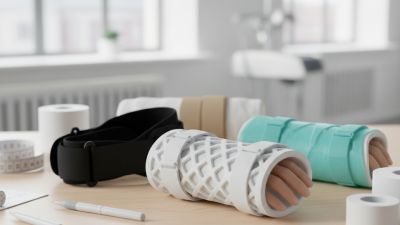
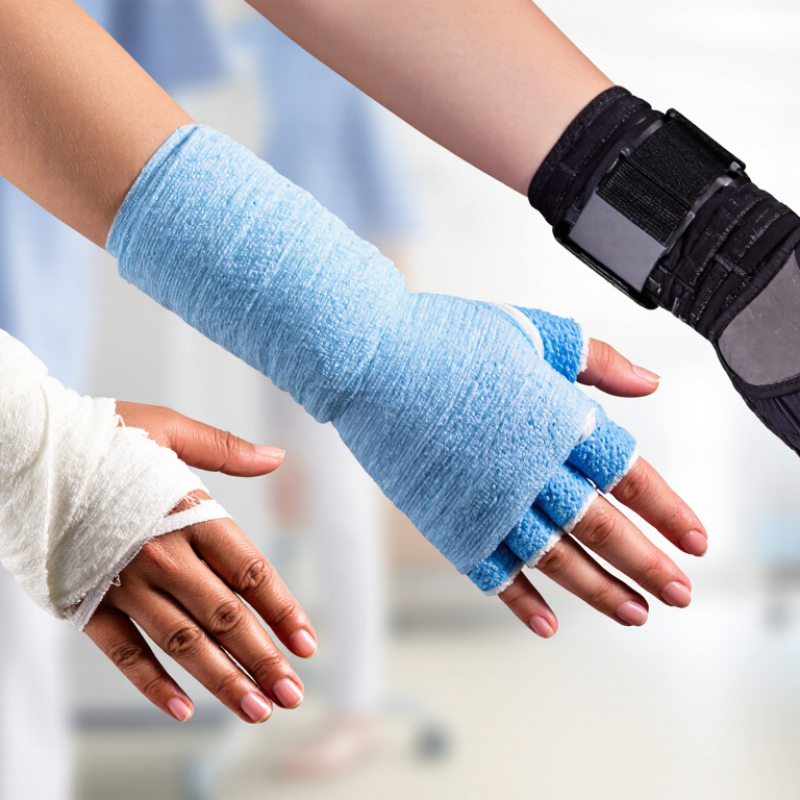
Choosing a wrist cast starts with the injury, not appearance. A soft support may suit mild sprains, swelling control, or short periods of rest. It allows some movement and feels less restrictive. A rigid wrist splint limits bending more firmly. It is often used after fractures, tendon irritation, or surgery, but only under professional guidance. Fit matters. It should feel secure without causing numbness, cold fingers, or unusual color changes.
A thumb-spica cast includes the thumb and supports injuries involving the thumb joint, wrist tendons, or nearby bones. A short-arm cast usually extends from below the elbow to the hand, creating stronger immobilization. Cast material, padding, and ventilation also affect comfort. A waterproof design may seem convenient, yet moisture trapped near the skin can still cause irritation. More support is not always better. Reduced movement can increase stiffness and delay normal function when used unnecessarily.
During fitting, clinicians check finger movement, skin condition, circulation, and pain levels. Patients should report increasing pressure, tingling, burning, or swelling promptly. Never trim, loosen, or insert objects beneath a cast without medical advice. The hardest choice is often between comfort and protection. That judgment can change as swelling decreases or healing progresses. A cast that felt appropriate yesterday may need reassessment today. Poor fit happens, even with careful measurements. Context matters.
How to Choose the Right Wrist Cast for Your Needs?
Understanding wrist cast types and their intended uses helps show which nearby areas are typically immobilized. The chart uses a simple count of key areas included in common cast designs.
A short-arm cast typically supports the wrist, a thumb-spica cast supports the wrist and thumb, and a long-arm cast commonly includes the wrist and elbow. The final choice depends on the injury and a qualified clinician’s assessment.
Assessing Your Injury, Symptoms, and Support Requirements
Choosing a wrist cast should begin with the injury, not the product shelf. The Lancet’s Global Burden of Disease 2019 analysis estimated 178 million new fractures worldwide, showing why accurate assessment matters. A suspected fracture, visible deformity, severe swelling, or pain after a fall requires medical evaluation. Do not rely on a cast to diagnose the problem.
Symptoms also guide support. Numbness, tingling, pale or blue fingers, increasing tightness, or unusual coldness can signal circulation or nerve problems. Seek urgent care. Mild sprains may need a flexible support that allows limited movement. A confirmed fracture usually requires firmer immobilization, often including the thumb or forearm. The correct design depends on the injured structure.
Fit should feel secure, never crushing. Check finger color, warmth, sensation, and movement after fitting. Swelling can change during the first several days, so reassessment may be necessary. The World Health Organization estimates that 1.71 billion people live with musculoskeletal conditions, yet individual recovery needs vary widely. Maximum stiffness is not always better. It may restrict useful movement and encourage overconfidence. Comfort can mislead. A support that feels good may still fail to control the wrist properly. Ask a qualified clinician to match the cast’s rigidity, length, and wearing schedule to your symptoms, imaging results, and daily tasks.
Comparing Cast Materials, Fit, Comfort, and Adjustability
Choosing a wrist cast starts with material, but fit often matters more.
Plaster molds closely around irregular wrists and remains useful when swelling is expected. Fiberglass is lighter, stronger, and usually more water-resistant. However, it can feel rigid and create pressure at the thumb base. A Cochrane evidence review found no clear overall winner between plaster and fiberglass, with much evidence rated low certainty. Comfort still depends on technique.
Fit should feel supportive, never crushing.
Your fingers should remain warm, mobile, and normally colored. A clinical audit published by the American Academy of Orthopaedic Surgeons reports that swelling and skin complications remain common reasons for unplanned cast reviews. This makes early adjustment important. Ask whether the cast allows space for swelling, especially during the first forty-eight hours. Small details matter.
Adjustability can improve daily use.
A removable support may help with hygiene, inspection, and gradual rehabilitation, when clinically appropriate. Yet excessive looseness can reduce fracture control. The British Orthopaedic Association advises checking circulation, sensation, and movement after immobilization. Use those checks at home, too. Do not ignore numbness.
Comfort is not merely softness.
A smooth edge, dry lining, and accurate thumb opening can prevent rubbing during sleep or typing. An imperfect fit is still a warning. Reassessment may be needed if pain increases, the cast becomes loose, or your skin develops persistent redness. Discuss material, padding, and adjustment options with the treating clinician, rather than choosing by appearance alone.
Checking Medical Guidance, Safety Features, and Daily Practicality
Choosing a wrist cast should begin with medical guidance, not appearance.
A clinician should confirm the injury, swelling level, and movement that must be limited. A cast for a sprain may differ from one used after a fracture. Ask how long it should be worn. Also ask when removal is safe. This prevents a comfortable-looking support from hiding a worsening problem.
Safety features matter during ordinary hours. Look for firm support, smooth edges, secure closures, and breathable material. Fingers should remain warm, pink, and reasonably movable unless a clinician advises otherwise.
Numbness, increasing pain, blue color, or unusual swelling needs prompt medical attention. Watch the skin. Keep it dry and inspect pressure points daily. Do not tighten straps to feel safer. Too much pressure can affect circulation. A cast that shifts while walking, typing, or lifting a cup may not fit correctly.
Daily practicality is easy to underestimate.
Test the cast with a shirt sleeve, phone, keyboard, and door handle. Can you wash safely? Can you sleep without sharp edges pressing your skin? Removable designs may help hygiene, but removal must follow professional instructions.
I used to assume greater rigidity meant better protection. Not always. Excess restriction can cause stiffness and frustrate normal tasks. Recheck the fit if swelling changes. Fit can change quickly.
Selecting and Maintaining the Most Suitable Wrist Cast
Choosing the right wrist cast begins with the injury, not appearance. A clinician should assess fracture stability, swelling, skin condition, and any surgical instructions. A rigid cast may support a serious fracture, while a removable support may suit a stable injury. These choices are not interchangeable. The wrist must remain secure without excessive pressure. Fingers should stay warm, pink, and reasonably movable.
Maintenance determines whether protection continues after fitting. Keep the cast dry during bathing, using a sealed cover rather than relying on a towel. Do not push pens, rulers, or powder underneath it. Scratching can damage skin without solving the itch. Check the edges each day. Look for cracks, soft areas, foul odors, or damp padding. Elevate the hand when swelling increases, especially during the first few days.
A neat-looking cast can still cause problems. Numbness, worsening pain, blue fingers, unusual coldness, or tight swelling needs prompt medical advice. Contact the treating clinic if the cast becomes loose or breaks. Never trim, heat, or reshape it at home. I once underestimated how quickly moisture could soften padding; that small detail changed the whole care routine. Follow-up timing also matters, even when discomfort improves. Healing can feel better before the wrist is strong enough for normal lifting.