What Is Cold Therapy and How Does It Work?

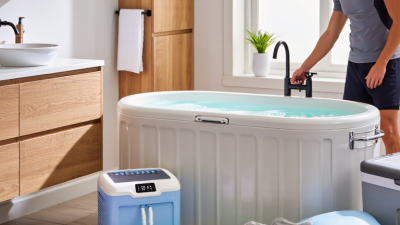
Cold therapy is gaining attention in clinics, gyms, and bathroom freezers. It includes ice packs, cold-water immersion, cryotherapy chambers, and controlled cooling after exercise. The goal is simple: expose the body to cold, then observe how it responds.

Cold changes blood flow near the skin. Blood vessels narrow, reducing local circulation and heat loss. Nerves also react, which may temporarily reduce pain signals. After warming, circulation returns. The experience can feel like a sharp squeeze around the ankles, shoulders, or hands.

Research is promising, but it is not complete. A 2022 systematic review in Sports Medicine found that cold-water immersion may reduce muscle soreness after demanding exercise. However, results varied with temperature, timing, and immersion length. The Global Wellness Institute reported that the global wellness economy reached $5.6 trillion in 2022, showing strong consumer interest in recovery practices. Industry forecasts for the cold therapy market also predict growth, although estimates differ widely by research company.

As neuroscientist Andrew Huberman has explained, “Cold exposure is a potent stimulus for increasing norepinephrine.” That chemical may support alertness and influence blood-vessel activity. Yet a stronger sensation does not guarantee better results.

Cold is not automatically healthy.

This guide examines what cold therapy does, where evidence is reliable, and where marketing becomes louder than science. It also considers practical details, such as water temperature, exposure duration, breathing control, and safe rewarming. Personal experience matters, but it can mislead. A painful plunge may feel impressive while offering little additional benefit. Reading the evidence carefully remains essential.
What Is Cold Therapy and How Does It Work?

Definition and Basic Principles of Cold Therapy

What Is Cold Therapy and How Does It Work?

Definition and Basic Principles of Cold Therapy

Cold therapy, or cryotherapy, uses controlled cooling to influence pain, swelling, and tissue activity. A cold pack lowers skin temperature and narrows nearby blood vessels. This may reduce local blood flow and slow nerve signals. The area can feel numb within minutes.

Cold is not a cure. It is a short-term tool. The American Physical Therapy Association advises using therapeutic cooling with clinical judgment, especially after injury. Evidence remains mixed. A Cochrane review of acute soft-tissue injuries found limited, low-quality evidence for several common cooling methods. That matters. Strong sensations do not always mean better treatment.

Temperature, exposure time, and skin protection affect results. Direct ice contact may cause skin injury. People with reduced sensation or circulation need professional advice before using cold therapy. Stop if the skin becomes pale, painful, or unusually numb. These details are easy to ignore.

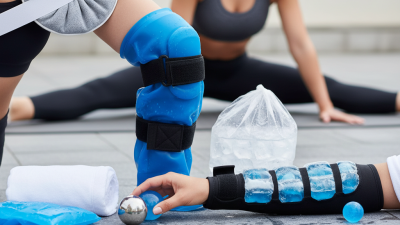
Tips: Wrap ice in a thin, dry towel. Apply it for about 10–15 minutes, then check the skin. Do not sleep with a cold pack attached. Record pain before and after use. The change may be small, and that is useful information. Never treat discomfort as proof of healing.
How Cold Exposure Affects Tissues, Blood Flow, and Nerve Signals

What Is Cold Therapy and How Does It Work?

Cold therapy lowers tissue temperature and changes how blood vessels behave. A 2021 review in Sports Medicine reported that local cooling commonly produces peripheral vasoconstriction, which can reduce superficial blood flow by more than 50% in laboratory settings. Skin may look pale, while deeper tissues cool more slowly. The effect depends on temperature, exposure time, insulation, and body area.

Cold also changes nerve signals. Research reviewed in Clinical Neurophysiology shows that cooling can slow peripheral nerve conduction, sometimes by about 20–30% during controlled laboratory tests. This may reduce pain transmission and create temporary numbness. It can also reduce muscle spindle activity, which may affect coordination. The feeling is not always reassuring. Numb skin can hide excessive exposure.

A 2022 systematic review in Sports Medicine found that cold-water immersion may reduce muscle soreness during the following 24–96 hours, although the certainty of evidence remained limited. Blood flow often rises again during rewarming, sometimes with noticeable redness or tingling. I have found this rebound easy to misread as proof of faster healing. It is not. Cold therapy may ease symptoms, but it does not automatically repair damaged tissue or restore performance. The safest approach uses brief exposure, a cloth barrier, regular skin checks, and professional advice after injury, reduced sensation, or circulation problems.

What Is Cold Therapy and How Does It Work?

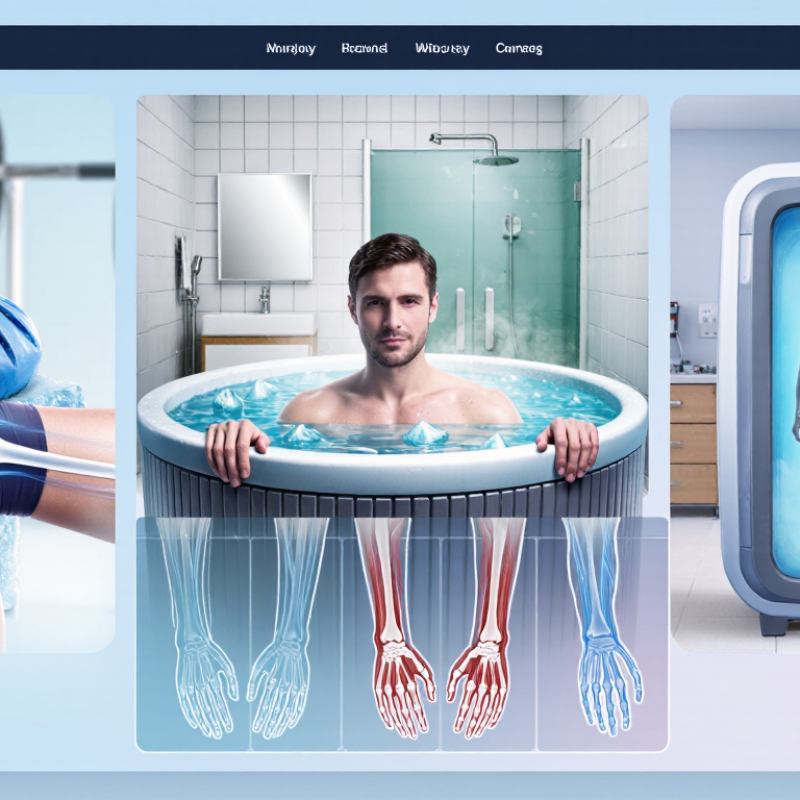
Cold exposure lowers tissue temperature, causing blood vessels near the skin to constrict and slowing peripheral nerve signaling. The values below are approximate physiological trends: nerve conduction velocity commonly decreases by about 1.5–2.5 m/s for each 1°C reduction in peripheral nerve temperature, while skin blood flow falls as vasoconstriction increases.

Common Methods and Applications of Cold Therapy

Cold therapy uses low temperatures to reduce skin and tissue temperature. It may narrow blood vessels and slow local nerve signals. This can temporarily ease pain, swelling, and muscle soreness. The effect is practical, not magical. Research supports short-term relief, but responses differ between people.

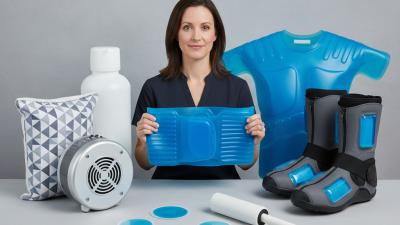
Common methods include wrapped ice packs, gel packs, cold towels, and brief cold-water immersion. A cloth barrier protects the skin from cold injury. Apply cold for about 10 to 20 minutes, then let the skin return to normal. Check the area often. It should feel cool and mildly numb, not burning, painful, or unusually pale. Athletes may use immersion after demanding exercise, although recovery benefits remain mixed. Some people feel better. Others feel only discomfort.

For a fresh ankle sprain, cold may reduce early discomfort while the person rests and elevates the limb. It should not replace medical assessment when pain is severe, movement is impossible, or swelling increases quickly. People with reduced sensation, circulation problems, or nerve conditions should seek professional advice first. Never place dry ice directly on skin. In practice, shorter sessions are easier to monitor. It is also easy to become careless and repeat them too often. Stop immediately if blistering, intense pain, or persistent numbness appears.

Potential Benefits and Limitations of Cold Treatment

Cold therapy uses controlled exposure to low temperatures to influence pain, swelling, and muscle sensation. Ice packs, cold water, and cooling wraps are common methods. Cold narrows nearby blood vessels, which may reduce fluid movement into irritated tissue. It can also slow nerve signals, making soreness feel less intense for a while.

The potential benefits are practical. A cool pack may ease mild swelling after a minor strain or reduce discomfort after demanding exercise. Some people report feeling more alert after brief cold exposure. However, relief is often temporary. Cold does not repair a torn ligament, heal an infection, or replace appropriate medical care. The evidence also varies by method, timing, and individual health. The evidence is promising, but not neat.

Limitations deserve equal attention. Direct ice contact can injure skin, especially when left in one place too long. Numbness may hide worsening pain. People with poor circulation, reduced sensation, cold sensitivity, or certain heart conditions should seek professional advice before using cold treatment. A clinician may recommend a short session with a cloth barrier, followed by a break. More is not better. I have found that users often focus on the intense feeling rather than the actual response afterward. That judgment can be misleading. Stop if the skin becomes pale, hard, unusually painful, or persistently numb.

Safety Guidelines, Risks, and Who Should Avoid It

Cold therapy uses controlled cold to reduce pain, swelling, or tissue irritation. A cold pack, chilled towel, or brief cold-water immersion can narrow nearby blood vessels. This may slow fluid movement and reduce nerve signals, making an injured area feel less painful.

It does not repair a torn ligament or cure the underlying condition.

Safety depends on dose and personal health. Wrap a cold pack in a thin towel; never place ice directly on skin. Apply it for about 10 to 15 minutes, then allow the skin to return to normal temperature. Check the area often. Stop if the skin becomes pale, blotchy, numb, or sharply painful. Do not sleep with a cold pack attached. Common mistakes include using extreme cold and repeating treatment too frequently. More cold is not better.

People with poor circulation, reduced skin sensation, diabetes-related nerve damage, Raynaud’s phenomenon, or cold-induced hives should avoid cold therapy unless a qualified clinician approves it. Extra caution is needed with heart disease, uncontrolled blood pressure, or abnormal heart rhythms, especially during cold-water immersion. Avoid applying cold over open wounds, infected skin, or areas with an uncertain diagnosis.

Seek medical care for severe swelling, deformity, spreading discoloration, breathing problems, faintness, or pain that keeps worsening. Evidence supports short-term symptom relief, but individual responses vary, and home treatment can sometimes hide a more serious injury.

In observance of the 4th of July holiday, our offices will be closed on July 3rd & 4th.