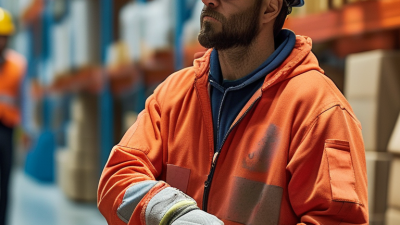
Every workday, workers rely on their wrists to grip, lift, push, pull, and control tools. Repeated motion can gradually strain tendons, joints, and supporting muscles. Heavy boxes, vibrating equipment, and awkward wrist angles may increase this pressure. A sharp ache is easy to ignore. Small warning signs matter.
Wrist protection helps reduce avoidable stress during demanding tasks. It may include properly fitted gloves, supportive wrist braces, adjustable tools, and safer lifting techniques. Ergonomics guidance recommends keeping the wrist near a neutral position whenever possible. Workers should also rotate tasks, take brief recovery breaks, and report discomfort early. Protective equipment is useful, but it cannot correct poor workstation design or excessive workloads. Fit matters. Comfort matters too.
Safety professionals and occupational health specialists generally stress prevention over late treatment. Employers should assess task risks, provide suitable equipment, and train workers to use it correctly. Workers should follow manufacturer instructions and seek qualified medical advice when pain persists, worsens, or limits movement. Not every wrist problem comes from work, and no single solution suits every person. That limitation deserves honest attention. A brace may support a tired wrist, yet wearing it constantly could hide a deeper issue or restrict natural movement. Effective wrist protection combines practical equipment, thoughtful work design, and timely communication. It protects more than the joint. It helps preserve confidence, productivity, and the ability to perform everyday tasks safely.
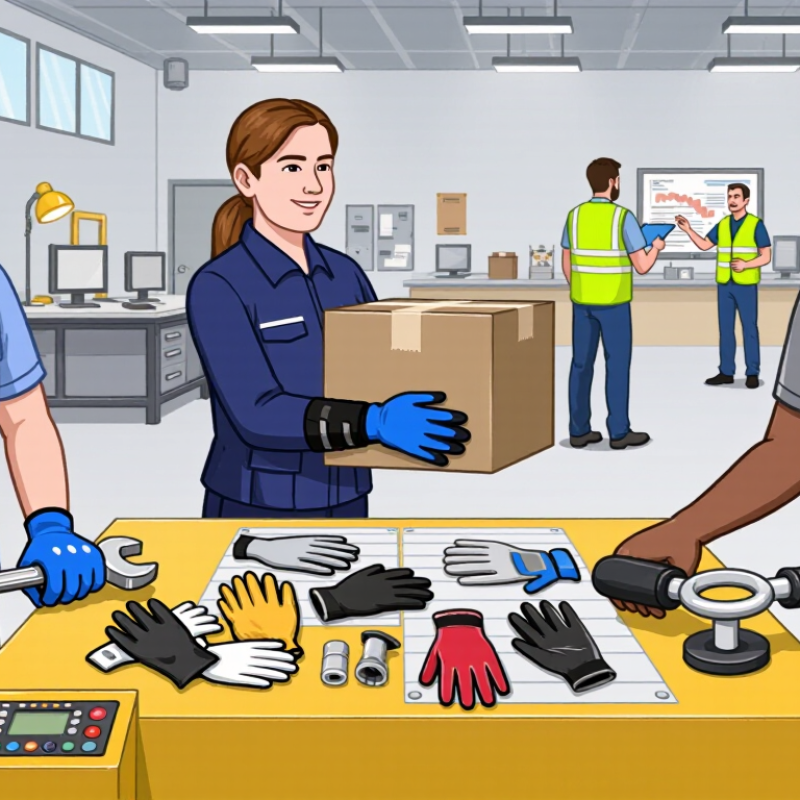
Why Is Wrist Protection Important for Workers?
Wrist protection means more than wearing gloves at work. It involves reducing cuts, impacts, strains, burns, and harmful contact around the wrist. Workers rely on their wrists for lifting, gripping, turning, and controlling tools. A small injury can affect simple tasks, such as opening a door or holding a cup. Protection starts with a clear workplace hazard assessment. Supervisors should examine sharp edges, moving parts, heavy loads, vibration, heat, and repeated hand movements. Real working conditions matter more than assumptions.
Different tasks require different controls. Protective gloves with suitable wrist coverage can help prevent abrasions and contact injuries. However, gloves must fit correctly and allow secure tool handling. Loose cuffs may catch on equipment. Tight cuffs may reduce circulation or movement. For repetitive work, adjustable wrist supports may help some workers, but they should not replace task redesign or medical advice. Breaks, tool positioning, and better lifting methods also reduce stress on the wrist.
Training is where protection often becomes practical. Workers should know when to replace damaged gloves, how to report discomfort, and why a shortcut may create risk. A quick pre-shift check can reveal torn fabric, exposed seams, or poor fit. Near-miss records can show patterns that formal inspections miss. I have seen teams focus heavily on hand protection while overlooking the wrist during awkward lifting. That gap deserves honest review. The best choice may still need adjustment after real use.

Wrist Protection Matters at Work
Wrist injuries can develop slowly, not only after a sudden accident. Repeated gripping, awkward angles, and heavy loads may strain tendons and small joints. In an office, long hours with a bent wrist can cause discomfort during typing or mouse use. The edge of a desk may also press against the palm.
Warehouses create different risks. Workers may lift boxes, operate scanners, or pull loaded carts repeatedly. Cold storage can reduce hand flexibility, making gripping harder. On construction sites, vibration from power tools may cause numbness and weaker control. Healthcare workers often face awkward wrist positions while moving patients or handling equipment. Even small movements matter when repeated hundreds of times.
Tips: Keep wrists as straight as practical. Rotate tasks when possible. Use both hands for heavy objects. Adjust tool handles, chair height, and keyboard position. Take brief movement breaks before pain becomes obvious. Wear suitable gloves for impact, vibration, or cold conditions, but do not treat gloves as complete protection. Check warning signs such as tingling, swelling, reduced grip, or pain that persists after rest. I once ignored mild wrist fatigue because the task felt routine. That was poor judgment. Early reporting and a workplace assessment may prevent a minor strain from becoming a longer absence. Controls should match the hazard, and comfort alone does not prove safety.
Common wrist hazards across different work environments
The chart compares the relative presence of recognized ergonomic risk factors on a 0–10 scale. Repetitive motion, forceful exertion, awkward wrist posture, and hand-arm vibration are identified by OSHA and NIOSH as common contributors to wrist and hand disorders. Scores are comparative exposure indicators, not injury-rate statistics.
Wrist injuries can begin with a small warning: tingling after a long shift. Repeated gripping, awkward angles, and heavy lifting can gradually strain tendons and nerves. A box may feel harmless, yet hundreds of lifts can increase the risk. Pain can reduce grip strength and make tools harder to control. That affects accuracy, speed, and confidence. Some workers continue because the discomfort seems manageable. I have seen this delay turn brief irritation into weeks of restricted duties.
For employers, wrist injuries create more than medical costs. Absences can leave a team short during a busy loading period. Replacement workers may need training, while experienced staff lose time from normal tasks. Work quality can also fall when someone avoids using an injured hand. Small delays accumulate. They may affect schedules, customer service, and team morale. Early reporting gives supervisors time to adjust tools, rotate tasks, or improve work methods. It is not a perfect fix, but it may prevent symptoms from worsening.
Effective wrist protection starts with observation. Check whether wrists stay straight during cutting, packing, typing, or assembly. Keep loads close and use both hands when possible. Take brief movement breaks. Properly fitted gloves may improve comfort, but they cannot correct poor technique or excessive force. Training should include real tasks, not only classroom reminders. Supervisors should listen when workers report numbness or night pain. Many workplaces still react too late. A quiet complaint deserves attention before a missed shift makes it visible.
| Data Dimension | Evidence-Based Data or Finding | Effect on Workers | Effect on Employers | Authoritative Source |
|---|---|---|---|---|
| Work-Related MSD Burden | Musculoskeletal disorders (MSDs) accounted for 33% of all U.S. private-industry cases involving days away from work, job transfer, or restriction in 2015. | Wrist and hand conditions can limit gripping, lifting, typing, tool use, and other routine tasks. | MSDs can increase absenteeism, restricted-duty assignments, overtime requirements, and replacement-training costs. | U.S. Bureau of Labor Statistics |
| Common Risk Factors | The main ergonomic risk factors include forceful exertion, repetitive motion, awkward posture, contact stress, and hand-arm vibration. | Repeated wrist flexion or extension and high gripping force can contribute to pain, fatigue, tendon disorders, and nerve compression. | Uncontrolled risk factors can raise the likelihood of injuries, work restrictions, quality problems, and production interruptions. | CDC/NIOSH Ergonomics |
| Carpal Tunnel Syndrome | Carpal tunnel syndrome occurs when the median nerve is compressed at the wrist; workplace exposure may involve repetitive hand use, force, vibration, or prolonged awkward wrist positions. | Symptoms may include numbness, tingling, weakness, reduced dexterity, and difficulty handling tools or small components. | Reduced hand function may affect productivity, task accuracy, attendance, and the ability to perform essential job duties. | CDC/NIOSH Ergonomics |
| Work-Related Tendinitis | Repetitive motion and forceful exertion are recognized contributors to tendon and tendon-sheath disorders affecting the hand and wrist. | Pain and inflammation can make repeated grasping, twisting, pressing, and keyboard or mouse use difficult. | Employers may face temporary reassignment, modified schedules, lower output, and additional supervision. | U.S. OSHA Ergonomics |
| Hand-Arm Vibration | Regular exposure to vibrating hand tools can cause hand-arm vibration syndrome, which may affect circulation, sensation, and nerve function in the fingers and hands. | Workers may experience numbness, tingling, reduced grip strength, and difficulty detecting temperature or touch. | Vibration-related impairment can increase handling errors, safety risks, maintenance needs, and work restrictions. | UK Health and Safety Executive |
| Early Reporting | NIOSH recommends identifying symptoms and ergonomic hazards early so that controls can be introduced before conditions become more serious. | Early reporting can support prompt evaluation, task modification, treatment, and a safer return to normal duties. | Early intervention can reduce the duration and severity of cases and help prevent similar injuries among other workers. | CDC/NIOSH Ergonomics |
| Engineering Controls | Recommended controls include redesigning tools and workstations, reducing force and repetition, improving neutral wrist posture, and limiting vibration exposure. | Better task and tool design can reduce physical strain while preserving mobility and manual control. | Engineering controls address hazards at the source and can improve safety, consistency, product quality, and operational continuity. | U.S. OSHA Ergonomics |
| Administrative Controls | Job rotation, recovery pauses, work-practice training, exposure monitoring, and early symptom reporting are commonly used supplementary controls. | Recovery time and task variation can help reduce cumulative loading on the wrists and hands. | Structured controls can support safer scheduling, better hazard tracking, and more consistent compliance with workplace safety procedures. | CDC/NIOSH Ergonomics |
| Return-to-Work Support | Temporary work restrictions and modified duties may be appropriate when a worker cannot safely perform the original task during recovery. | Modified work can help maintain employment and support recovery without exposing the injured wrist to excessive loading. | Effective return-to-work planning may reduce lost workdays, preserve experienced staff, and maintain workforce continuity. | U.S. OSHA Ergonomics |
| Prevention Priority | Wrist protection is most effective when it combines hazard assessment, safer tool and workstation design, worker training, symptom reporting, and timely corrective action. | Workers receive greater protection from both sudden overload and gradual, cumulative wrist injury. | A comprehensive prevention program can reduce injury risk while supporting productivity, attendance, quality, and employee well-being. | CDC/NIOSH Ergonomics |
Wrist protection matters because workers often grip, lift, twist, and repeat the same motion for hours. The UK Health and Safety Executive reported 543,000 workers with work-related musculoskeletal disorders in 2023/24, causing 7.8 million lost working days. The figure covers more than wrists, but it shows the wider burden of repetitive strain. A sore wrist can begin quietly beside a conveyor belt, then worsen when turning a heavy tool.
Different hazards require different protection. Cut-resistant gloves help when workers handle sheet metal, glass, or sharp packaging. Their performance should be checked against EN 388 or ANSI/ISEA 105 ratings. Impact-resistant gloves use padded areas over the knuckles and back of the hand. They help during material handling, but they cannot prevent every crush injury.
Anti-vibration gloves may reduce exposure during grinding or drilling, although fit and equipment maintenance remain critical. Chemical-resistant gloves protect the skin and may need longer cuffs to cover the wrist. Small gaps matter.
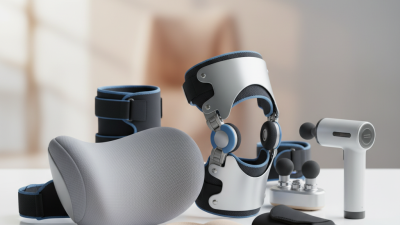
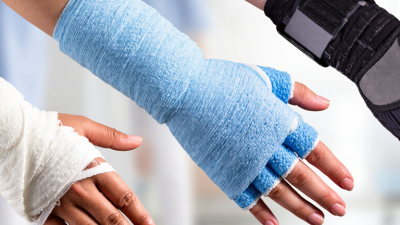
Wrist supports can limit awkward bending during selected tasks. They are not a substitute for safer workstation design. A tight brace may restrict circulation or encourage poor technique. NIOSH ergonomic guidance emphasizes reducing force, repetition, and awkward posture together.
In practice, protection should match the task, not merely the job title. Check seams, closures, and worn padding before each shift. Some gloves look durable but fail after contamination or stretching. That is an easy mistake to miss.
Sources: HSE, Work-related Musculoskeletal Disorders in Great Britain, 2023/24; NIOSH, Elements of Ergonomics Programs.
Wrist injuries can develop slowly during lifting, drilling, typing, or repetitive assembly. Pain may begin as mild stiffness, then affect grip strength and daily work. Effective wrist protection starts with understanding the task, not simply buying the thickest support. A warehouse worker may need impact protection, while an office worker may need better alignment and movement. A qualified safety professional can assess force, repetition, vibration, and awkward positions.
Small details matter.
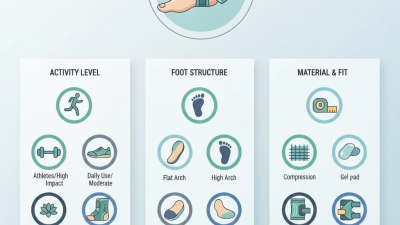
Choose protection that fits securely without restricting circulation. A wrist brace should support the joint while allowing necessary finger movement. Protective gloves should match the hazard, including cuts, abrasion, impact, or vibration. Check the product’s sizing guidance and inspect seams, straps, and padding before use.
Replace damaged equipment promptly. Do not wear a support so tight that your fingers become cold or numb. That mistake is easy to make.
Tips:
Keep the wrist straight when lifting. Use both hands for heavy objects. Adjust tools to reduce bending. Take short movement breaks during repetitive tasks. Clean reusable protection as instructed, and let it dry fully. Report discomfort early, even if it seems minor. Protection cannot correct poor technique by itself. I have found that workers often ignore fit until pain appears, which is already too late. Recheck the equipment after changing tasks, clothing, or work speed.
© 2023 Bird & Cronin, LLC. All Rights Reserved.

In observance of the 4th of July holiday, our offices will be closed on July 3rd & 4th.