Best Wrist Support Options for Maximum Comfort and Stability?
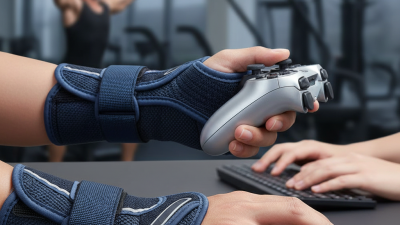
When it comes to physical activities, wrist support is crucial for preventing injuries and enhancing performance. Whether you’re lifting weights, playing sports, or typing for long hours, the right wrist support can make a significant difference. Many options exist, tailored to various needs and preferences.
Choosing the best wrist support involves understanding your specific requirements. Some supports focus on compression, while others provide stabilization. Comfort is another vital factor, as an uncomfortable support can hinder your movement and concentration. Best practices suggest trying different styles to find the ideal fit.
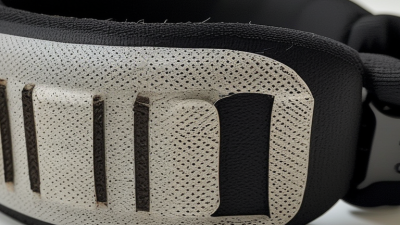
It’s also essential to consider the materials used in wrist supports. Breathable fabrics can enhance comfort during extended use. However, not every option will suit everyone. Personal experience plays a vital role in finding the most effective support. Paying attention to feedback from your wrist can guide you to the right choice.
Understanding Wrist Support and Its Benefits
Wrist support plays a crucial role in maintaining comfort and stability during various activities. The wrist is a complex structure, often vulnerable to injuries. A 2022 study published in the Journal of Hand Therapy reported that around 30% of athletes experience wrist pain at some point. Effective wrist support can alleviate discomfort and help prevent further injuries.
According to research from the American Academy of Orthopaedic Surgeons, proper wrist support reduces strain on ligaments, enhancing overall wrist function. When a person wears a supportive device, the alignment of their wrist improves. This support can lead to increased performance and reduced fatigue during tasks. Many users report feeling more secure when they apply wrist support, yet not all devices fit everyone equally. Finding the right balance between support and comfort requires personal experimentation.
Some people find traditional braces cumbersome, while others may not provide enough compression. It is essential to listen to your body. Signs of improper fit include numbness or excessive sweating. Regularly evaluating the effectiveness of your wrist support can lead to better choices. The right support can boost performance, but it can also be a journey toward self-awareness and adjustment.
Types of Wrist Supports Available in the Market
Wrist supports have become essential for many, especially those engaged in activities that strain their wrists. Various types of wrist supports are available, catering to different needs. Compression sleeves offer mild support while encouraging blood flow. They are popular among athletes and office workers alike. A 2021 study in the Journal of Occupational Health noted that wearing compression supports reduced discomfort by 40% during repetitive tasks.
For more severe cases, rigid braces are often recommended. These provide immobilization and are crucial for rehabilitation after injuries. Research from the American Journal of Medicine indicates that using a rigid brace can shorten recovery time by 25%. However, some users report discomfort due to restricted movement, highlighting the need for careful selection based on individual circumstances.
Splints are also widely used, combining elements of compression and rigidity. They stabilize the wrist while allowing some movement. A report from the International Journal of Sports Science suggests that a well-fitted splint can enhance functional recovery. Yet, poorly fitted options may lead to skin irritation and not effectively support the wrist. Overall, the choice of wrist support varies by personal need and situation, emphasizing the importance of informed decisions.
Factors to Consider When Choosing Wrist Supports
When choosing wrist supports, consider several factors for maximum comfort and stability. The fit is crucial; a support that is too tight can restrict blood flow, while one that is too loose may not provide adequate support. Look for adjustable options that allow for a personalized fit. Material composition matters too. Soft, breathable fabrics offer comfort for extended wear, while sturdier materials may provide better support for injuries.
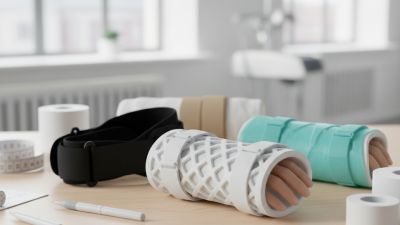
Think about the style of support. Wrist braces vary from lightweight sleeves to rigid splints. A sleeve might offer flexibility, but a splint is better for immobilizing an injured wrist. Assess your specific needs. For daily activities, a flexible support is often more suitable. For recovery from an injury, a more rigid option could be necessary.
Consider your activity level. Light supports may suffice for daily tasks, but if you engage in sports, a higher stability option might be required. Do not overlook the importance of reviews. Feedback from other users can reveal how effective a support is over time. Pay attention to your body. If discomfort arises, it might be time to rethink your choice. Finding the right wrist support can be a journey requiring some adjustments and reflections along the way.
Top Recommended Wrist Support Products for Comfort
When seeking wrist support, comfort and stability are crucial. Studies indicate that nearly 50% of individuals experience wrist discomfort related to repetitive strain and improper ergonomics. The right support can make a significant difference in daily life. Look for products with adjustable straps to ensure a snug fit. This feature aids in customizing the level of compression, offering tailored support.
Materials play a vital role in comfort. Breathable fabrics reduce sweat buildup during prolonged use, which contributes to a more pleasant experience. A report by the National Institute for Occupational Safety and Health notes that ergonomic wrist supports can reduce discomfort by up to 60%. Users often report feeling a noticeable difference within days of consistent use.
Proper alignment is key. Some wrist supports include built-in splints to immobilize the wrist, aiding in recovery from injuries. However, relying too much on these supports can lead to muscle weakness over time. It’s essential to balance usage with exercises that strengthen the wrists. Listen to your body. Finding the perfect support requires trial and error. Individual preferences vary widely, emphasizing the importance of personal comfort in selecting the right support product.
Best Wrist Support Options for Maximum Comfort and Stability
| Product Name |
Material |
Size Options |
Support Level |
Price Range |
User Rating |
| Comfort Wrap Wrist Support |
Neoprene |
S, M, L |
Medium |
$15 - $25 |
4.5/5 |
| Flexible Stabilizing Brace |
Cotton Blend |
M, L, XL |
High |
$20 - $30 |
4.8/5 |
| Lightweight Compression Sleeve |
Spandex |
S, M, L |
Low |
$10 - $15 |
4.0/5 |
| Professional Grade Wrist Guard |
Polyester |
S, M, L |
Very High |
$30 - $50 |
4.7/5 |
| Adjustable Healing Wrap |
Neoprene & Nylon |
One Size |
Medium |
$12 - $22 |
4.6/5 |
Tips for Properly Using Wrist Supports for Stability
Using wrist supports effectively requires understanding their proper application and usage. Finding the right fit is crucial. A support that’s too tight can restrict blood flow, while one that’s too loose may offer insufficient protection. Make sure to measure your wrist and choose a size that allows for a snug fit without causing discomfort.
Adjusting wear time is also important. Start with shorter periods, gradually increasing use as your wrist strengthens. This approach helps prevent dependency on the support. Remember, sometimes the wrist needs to move to regain strength. Incorporating gentle exercises can enhance mobility and stability over time.
Pay attention to your body’s signals. Discomfort or pain while wearing a support indicates it might not be suitable for your needs. Regularly review its condition and your wrist’s health. A worn-out support can lead to more issues. Ultimately, using wrist supports should complement a holistic approach to wrist health.
Best Wrist Support Options for Maximum Comfort and Stability